Canada Lynx

Lynx canadensis

Species Specific Information

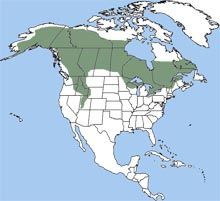
Range

Canada, Alaska, northern United States

Habitat

Terrestrial, forest, polar, tundra

Predators

Wolves, mountain lions, bears, fisher cats, humans

Diet

Carnivore


Wild -  Snowshoe hares, small mammals, birds, fish

Professional Care - Whole prey items, raw meat

Life Expectancy

Wild -  10 - 15 years

Professional Care - 20 - 25 years

Physical Characteristics:

Weight:  18 - 25 lbs (8 - 11 kg) 

Size: 20 - 25 inches (50 - 55 cm)


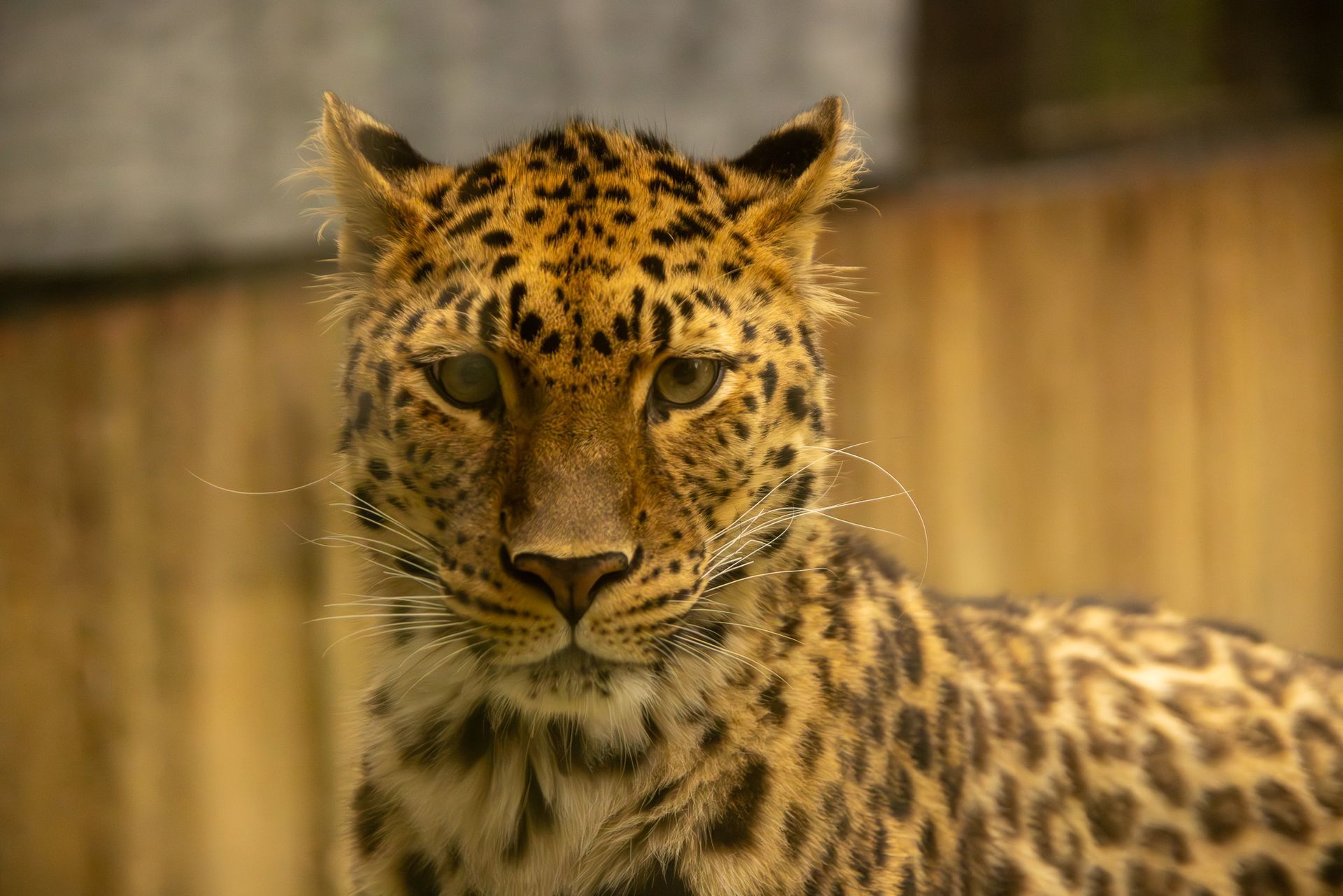
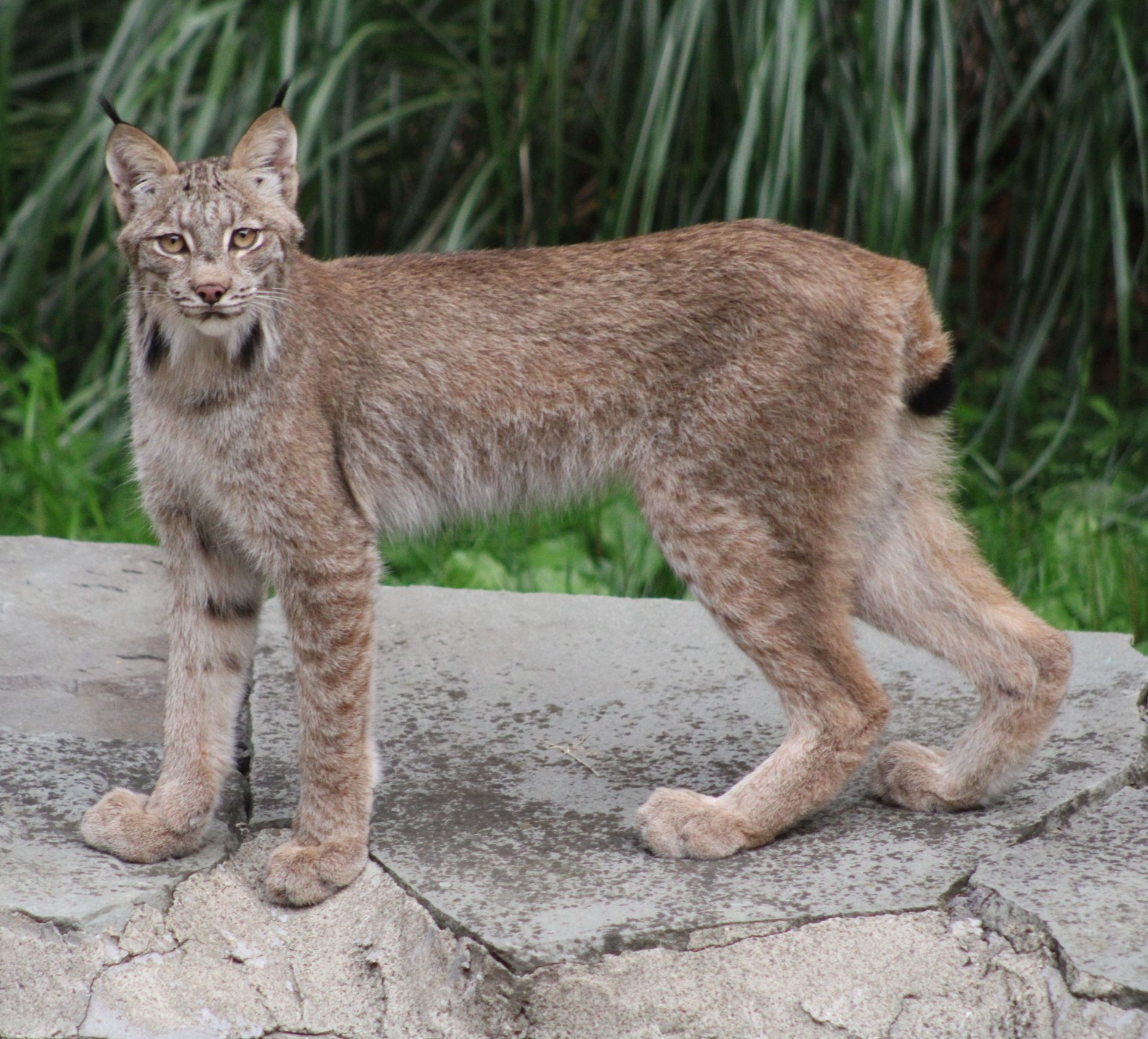
Like bobcats, Canada lynx have hindlimbs that are longer than their front limbs, giving them a sloped appearance. Unlike bobcats, Canada lynx have long ear tufts, shorter tails with black tips, and broader paws. Both bobcats and lynx have massive paws that work like snowshoes, allowing them to stay on top of the snow without sinking in.

Adaptations & Fun Facts:

Canada lynx have huge, broad paws that let them walk on top of the snow without sinking in. Their paws can spread up to 4 inches (10 cm), acting like snowshoes so the lynx can move quickly and quietly even on soft snow. 


Canada lynx are specialist predators - meaning they are heavily reliant on one species for food - with the snowshoe hare comprising almost 97% of the lynx’s diet at some points in the year! Canada lynx are so reliant on the snowshoe hare that entire populations will follow the hares hundreds of miles if needed. This is a textbook example of a prey-predator cycle.


Canada lynx are nocturnal, meaning they are most active at night. They are solitary and do not seek out other lynx, but do not defend their territory or avoid contact like other solitary species. 

Conservation Story

Historically, Canada lynx were trapped and killed for their fur and pelts. Thankfully, fur trapping in lynx has decreased by over 80%, although there are still a considerable number of illegal killings each year.


Currently, the biggest threat to Canada lynx is deforestation. As logging and urbanization occur, the lynx loses its habitat and access to snowshoe hares. Climate change further shrinks available land for the lynx and its prey, and illegal trapping and hunting still occurs.


Legal conservation efforts include particular conservation actions taken by organizations which make government policy to protect all species on earth. The International Union for Conservation of Nature (IUCN) Red List Status is a critical indicator of the health of the world’s biodiversity. Canada lynx are listed as “Least Concern,” which means they are widespread and abundant in the wild.

What Can We Do To Help?

Support conservation organizations - like Ross Park Zoo - through volunteering, donation, and/or sponsorship.

Check out other animals at the zoo!