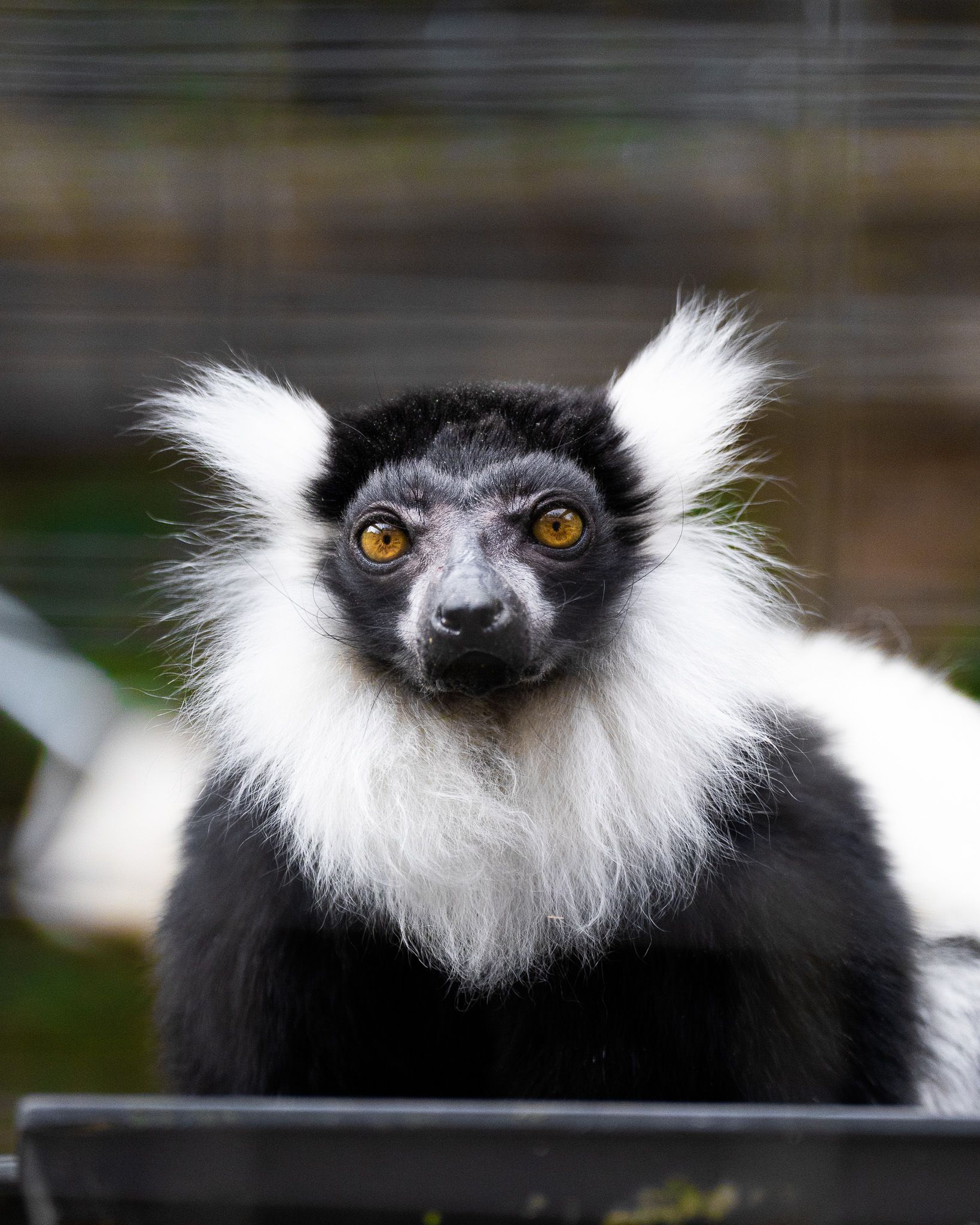
Arctic Fox
Vulpes lagopus

Species Specific Information
Habitat
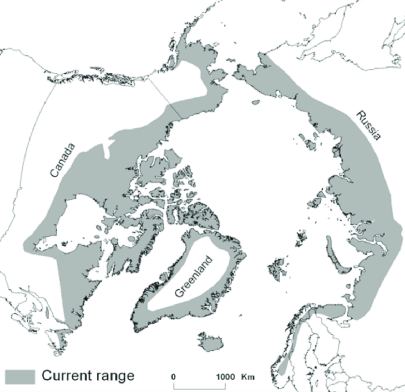
Terrestrial, polar, tundra, icecap
Predators
Humans
Diet
Omnivore
Wild- Birds, mammals, fish, eggs, carrion, insects, fruit, dung
Professional Care- Raw meat, fruit, vegetables
Life Expectancy
Wild: 3 - 6 years
Professional Care: 16 years
Physical Characteristics:
Weight: 5 - 20 lbs (3 - 7 kg)
Size: 15 - 25 in (45 - 65 cm)
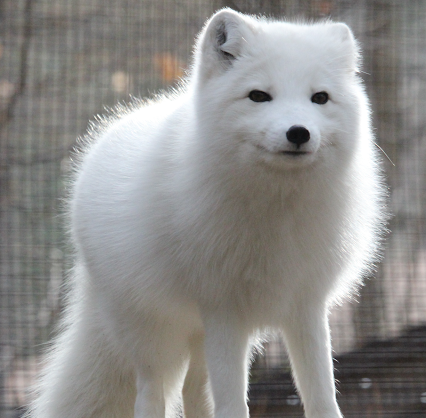
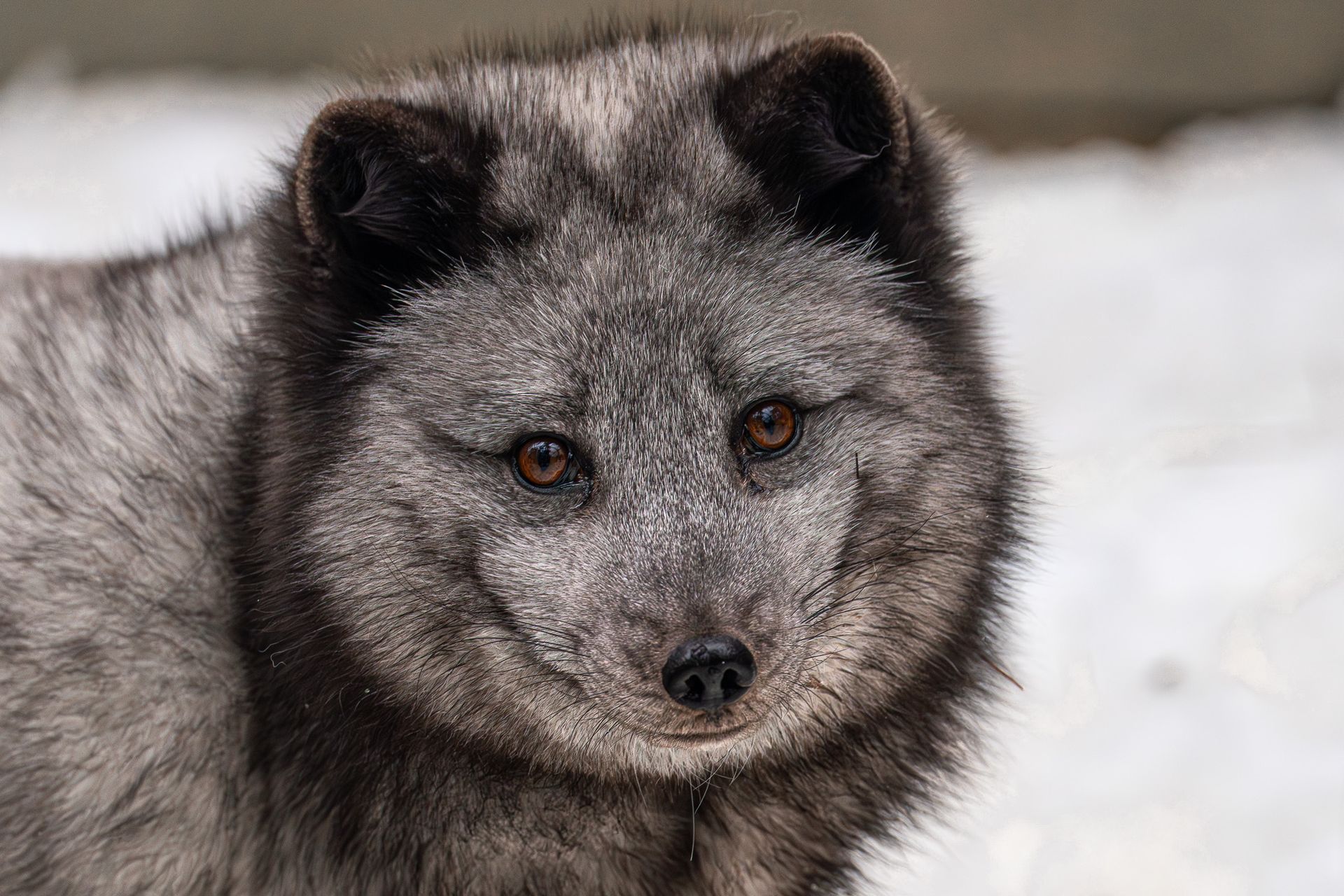
Distinguishing Characteristics: Due to the extreme changes in climate in the Arctic region, the Arctic fox has a cyclical coat change. In the harsh winter months, their coat is thick and bright white to blend into the snow-covered tundra. During the warmer summer months, they shed their white coat and instead have a gray/brown coat. Their ears are also short due to the harsh temperatures. Arctic foxes come in two morphs (or colors): white and blue-gray.
Adaptations & Fun Facts:
Arctic foxes have also been called "snow foxes" or "white foxes." Arctic foxes that live in coastal areas can be a different color morph to blend in with their rocky environment.
Arctic foxes are monogamous and usually mate for life. Some dens used by Arctic foxes have been used for centuries by generations of foxes.
Because of the harsh climate, foxes have had to modify their foraging behavior in order to survive the winters. Not only are foxes opportunistic feeders (eating anything from berries, carrion, and even feces), they also cache their food, storing it to eat at a later time.
Foxes are common over the northern sea-ice where they can move several thousands of kilometres, following Polar bears as scavengers.
Conservation Story
The world population of Arctic foxes is in the order of several hundred thousand animals. Most populations fluctuate widely in numbers between years. In most areas, however, population status is believed to be stable. On some Aleutian Islands in Alaska, non-native Arctic foxes are being eradicated to aid bird conservation efforts. However, the Scandinavian mainland population is Endangered, despite being legally protected from hunting for several decades. The estimate of the adult population in all of Norway, Sweden, and Finland combined is fewer than 200 individuals.
Climate change and warming tundra habitats threaten Arctic foxes. As the arctic regions warm, their tundra habitat is at risk of transforming into unsuitable boreal forest habitat. Because of the change in the Arctic fox’s native environment, Red foxes have started to encroach on Arctic fox territory. Climate change also reduces how long winters are, causing declines in the populations of small mammals - like voles and lemmings - which are the main source of food for Arctic foxes.
Another threat Arctic foxes face is illegal poaching and wildlife trafficking for the pet trade. Hunting for fur has long been a major mortality factor for the Arctic fox. With the decline of the fur hunting industry, the threat of over-exploitation is lowered for most Arctic fox populations. So, in areas where the Arctic fox is not threatened, the species is the single most important terrestrial game species in the Arctic. Legal hunting helps to keep their high population (in some areas) well managed. In areas where the Arctic fox is threatened, hunting is illegal.
Legal conservation efforts include particular conservation actions taken by organizations which make government policy to protect all species on earth. The International Union for Conservation of Nature (IUCN) Red List Status is a critical indicator of the health of the world’s biodiversity. Arctic foxes are listed as “Least Concern,” which means the species is widespread and abundant in the wild.

What Can We Do To Help?
Support conservation organizations - like the World Wildlife Fund (WWF) and Ross Park Zoo - through volunteering, donation, and/or sponsorship.
Check out other animals at the zoo!
-
African Penguin
Learn More -
African Spurred Tortoise
Learn More -
Alpine Goat
Learn More -
American Red Wolf
Learn More -
Amur Leopard
Learn More -
Arctic Fox
Learn More -
Bantam Chicken
Learn More -
Barred Owl
Learn More -
Binturong
Learn More -
Black Howler Monkey
Learn More -
Black Vulture
Learn More -
Black-and-white Ruffed Lemur
Learn More