African Penguin

Spheniscus demersus

Species Specific Information

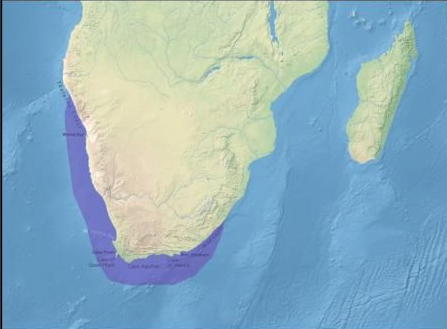
Range

South and Southwestern Africa

Habitat

Marine, terrestrial, temperate

Predators

Cape fur seals, sharks, kelp gulls, sacred ibises, yellow mongoose, large-spotted genets, leopards, humans

Diet

Carnivore (piscivore)


Wild and Professional Care  - Fish

Life Expectancy

Wild:  10 - 27 years

Professional Care:  25 - 30 years

Physical Characteristics:

Weight: 6 - 7 lbs (3 - 4 kg)

Size: 17 - 18 in (45 cm)


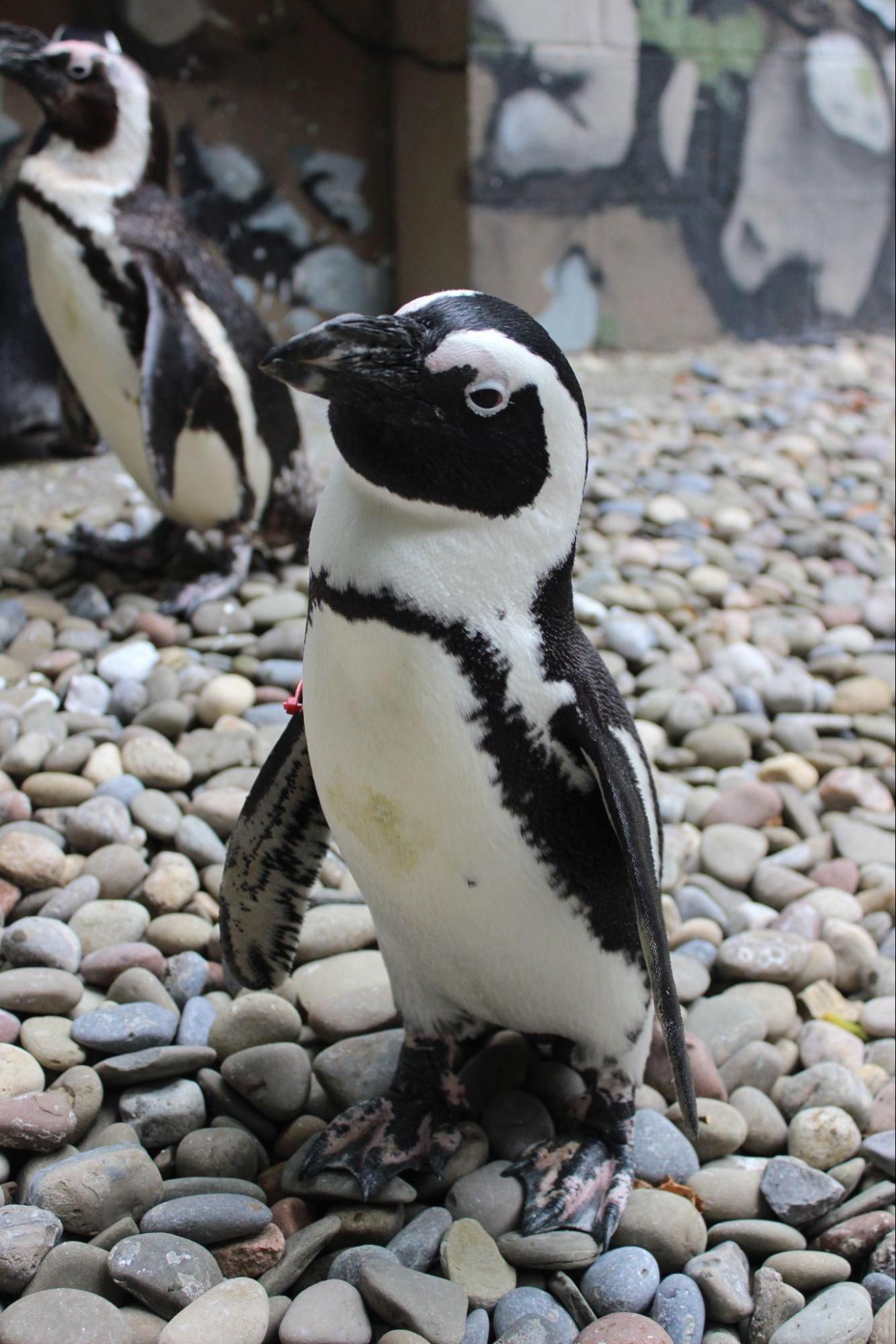
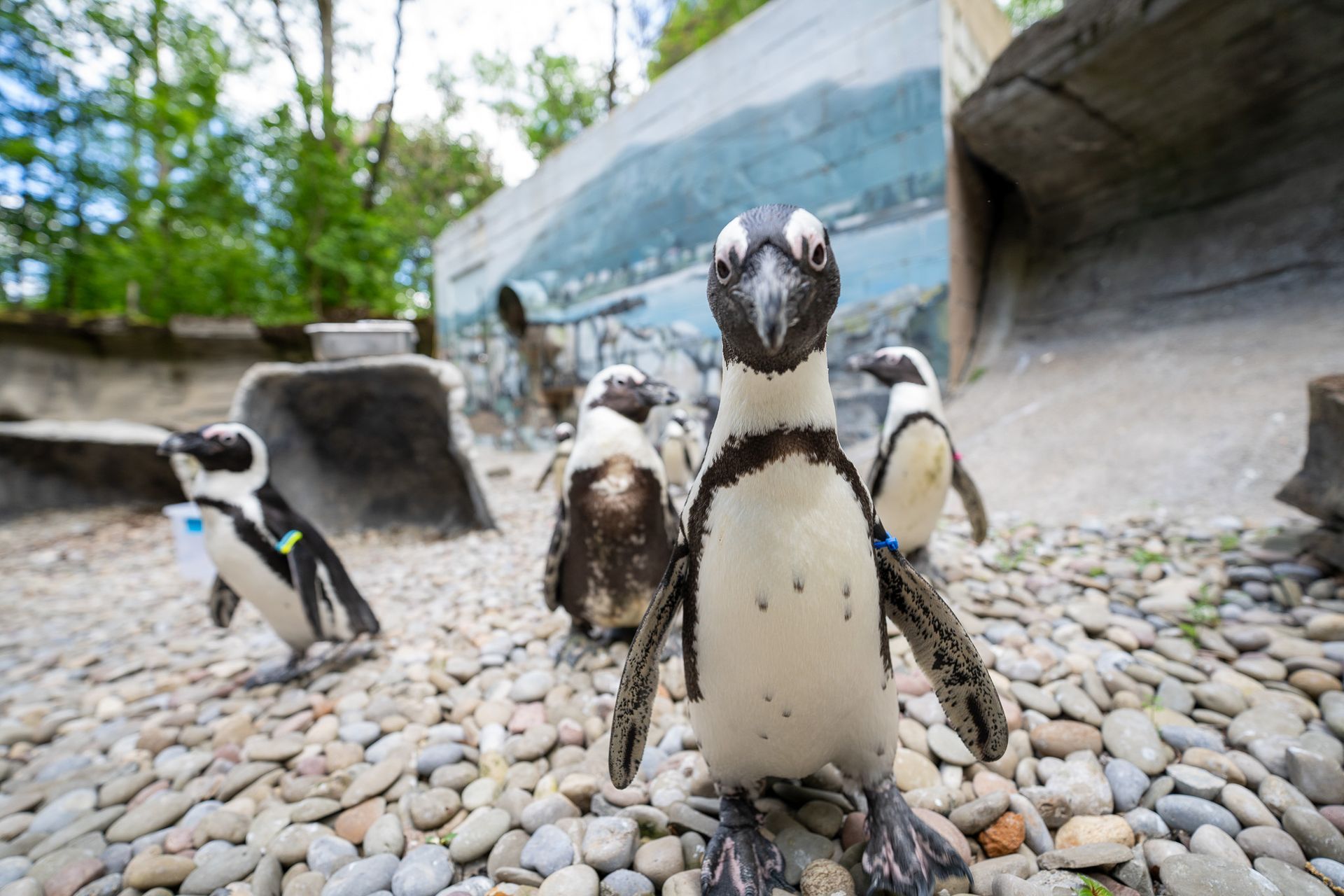
Distinguishing Characteristics:  African penguins have black plumage on the back and white feathers with black markings on the chest and belly. They also have a horseshoe-shaped white band that goes around the eye from the chin towards the beak. Additionally, a horseshoe-shaped band of black goes across their chest. Juveniles have gray-blue feathers that darken to black with age. The change from juvenile plumage to adult plumage takes around 3 years.

Adaptations & Fun Facts:

These penguins are also called Jackass penguins due to the donkey-like braying sound they make. There are three types of calls used: braying, yelling, and hawing. The yell, or contact call, is used to defend a territory from another colony member. The bray, or display call, is used to attract mates and is used between partners in a colony. The haw is used by partners when one is on land and the other is in the water. 


The parent penguins feed their offspring by regurgitation for up to 30 days. 


They have a nictitating membrane (a third eyelid) which acts like a set of goggles. 


They are native to the southern coast of Africa, and prefer temperatures between 40 and 70 degrees Fahrenheit (4 - 21 degrees Celsius). 


African penguins have a special gland in their beak that allows them to remove salt from seawater.


African penguins have 70 feathers per square inch that overlap to keep them waterproof. They can swim up to 12 mph (20 kph) and can travel 18 to 43 miles (30 - 70 km) during each trip. They spend the night gathered together on shore and much of the day feeding in the water.

Conservation Story

Once numbering in the millions, there are now an estimated 20,000 adults in the world. The decline of the population is rapid and ongoing. Global climate change affects the penguins’ habitat with extreme weather conditions, and intensifies the other severe threats the species faces. In the past, the major threats that faced African penguins were guano (penguin poop) and egg collection at breeding colonies. However, these activities are now illegal.


Currently, African penguins face competition with commercial fisheries which reduces the available space for penguins because of habitat encroachment and human disturbance. In addition, commercial fishing leads to overfishing, which means there are fewer fish for African penguins. With less food available and oil pollution in the water, African penguins have worse health outcomes and experience reduced reproductive capabilities. Current conservation efforts include wildlife tourism, which encourages locals and visitors to protect African penguin habitats. 


Legal conservation efforts include particular actions taken by organizations which make it government policy to protect all species on earth. The International Union for Conservation of Nature (IUCN) Red List Status is a critical indicator of the health of the world’s biodiversity. African penguins are listed as “Critically Endangered,” which means they face extremely high risk of extinction in the wild. The Convention on International Trade in Endangered Species of Wild Fauna and Flora (CITES) lists the African penguin as Appendix II; this means they are not necessarily threatened with extinction, but may become so unless wildlife trafficking and other trades are not controlled. The Convention on the Conservation of Migratory Species of Wild Animals (CMS) lists the African penguin as Appendix II; this status is specific to migratory species that have an unfavourable conservation status and require international agreements for their conservation and management. The US Endangered Species Act of 1973 recognized African penguins as in danger of extinction and allows for US funding for international conservation efforts.


What Can We Do To Help?

Support conservation organizations - like the Southern African Foundation for the Conservation of Coastal Birds (SANCCOB) and Ross Park Zoo - through volunteering, donation, and/or sponsorship.

Check out other animals at the zoo!