Black-and-white Ruffed Lemur

Varecia variegata

Species Specific Information

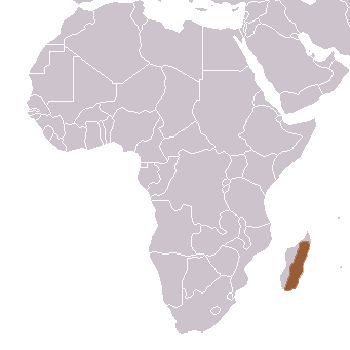
Range

Eastern Madagascar

Habitat

Terrestrial, tropical, rainforest

Predators

Birds of prey, humans

Diet

Herbivore (folivore, frugivore)


Wild- Leaves, seeds, grains, nuts, fruits, nectar

Professional Care- Browse, fruits, vegetables

Life Expectancy

Wild- 19 years

Professional Care- 33 years

Physical Characteristics:

Weight: 5 - 10 lbs (2 - 5 kg)

Size: 15 - 20 in (40 - 55 cm)


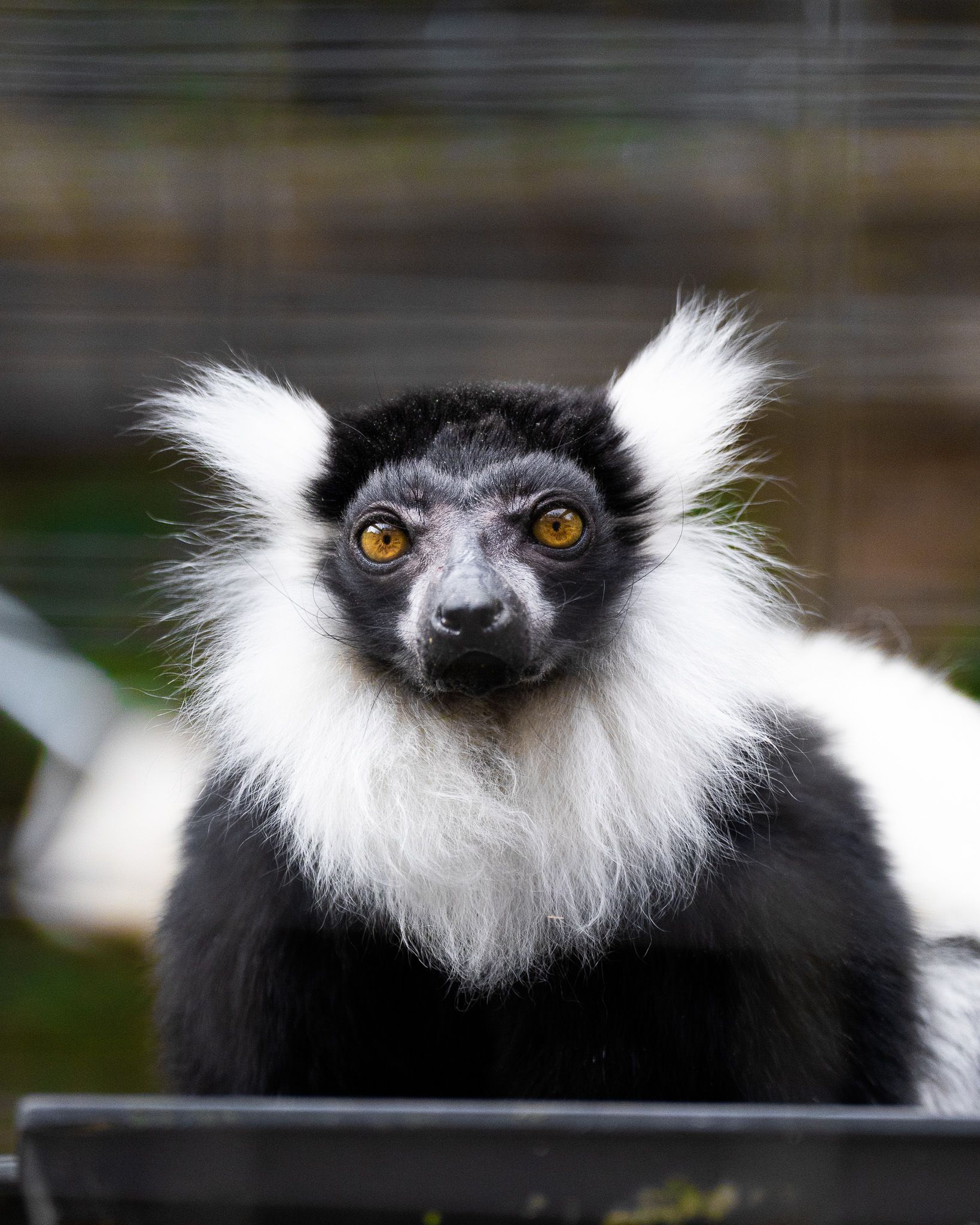
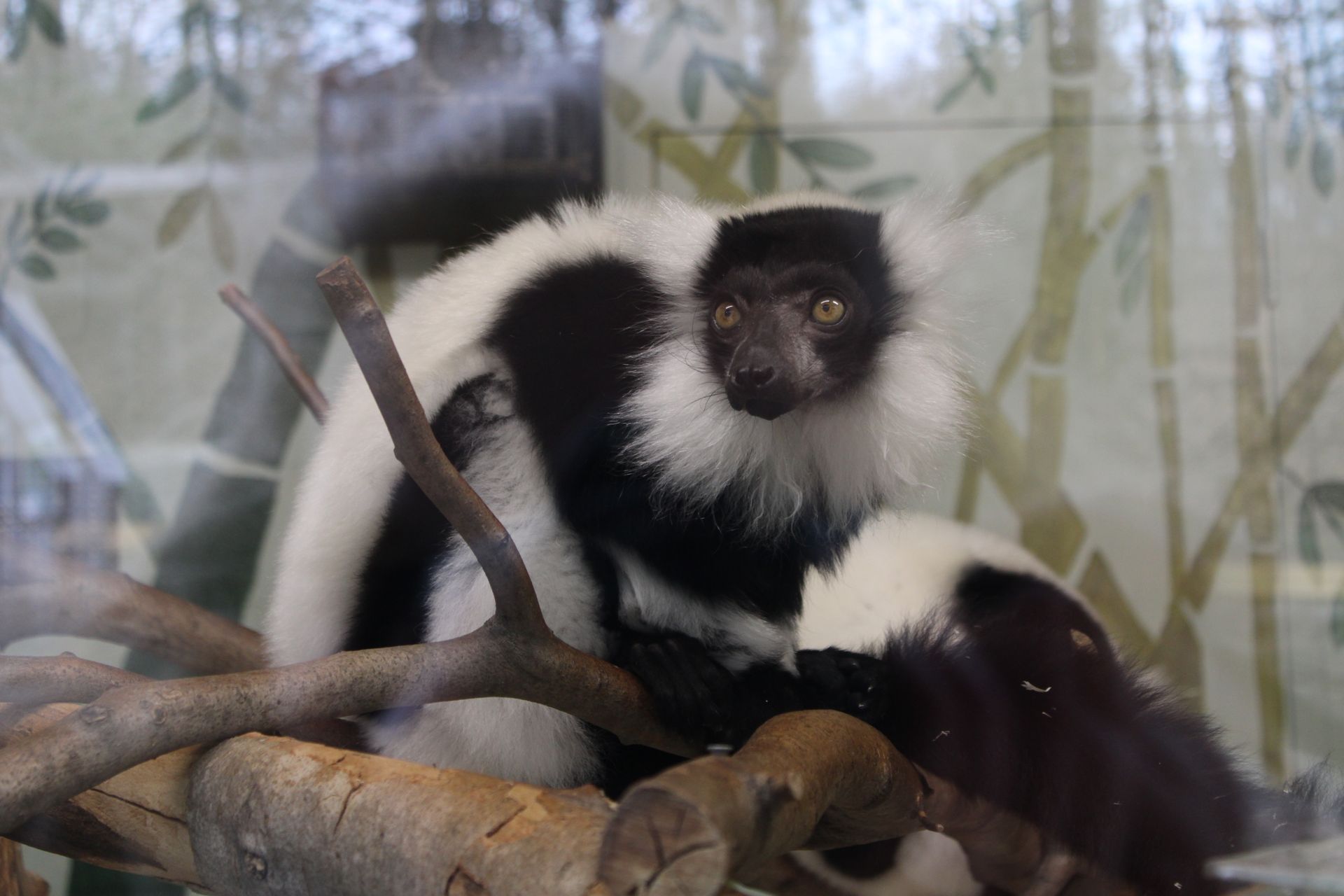
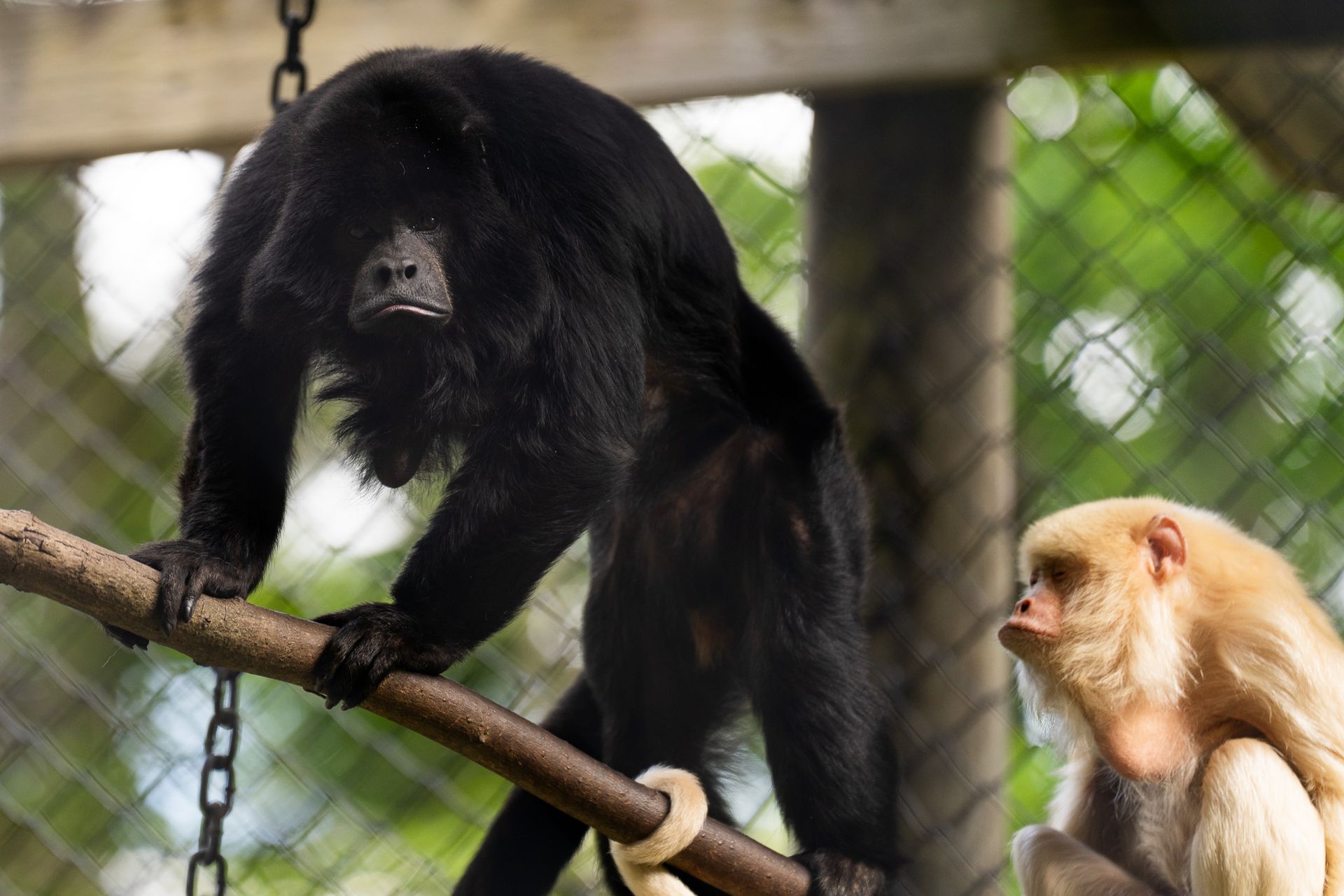
Distinguishing Characteristics:  These lemurs are the largest species in their family, with females weighing more than males; females also have notably longer tails than the males. Male and female Black-and-white ruffed lemurs have long hair with black and white markings, with each individual having a different amount of color in their fur. Their hands, feet, face, and tails are black. 


Adaptations & Fun Facts:

Their 6 bottom incisors project away from the jaw to form a comb, which these primates use to groom their fur and the fur of other group members. 


Ruffed lemurs live in groups ranging from 2 to 5 individuals. Females seem to form the stable core of these larger groups. Ruffed lemurs spend most of the day feeding, traveling, and resting high up in the forest canopy. They are the most active in the morning and late afternoon. When threatened, ruffed lemurs defend themselves and their territory with a nearly deafening call. Females defend a group's territory more actively than males. Lemurs are most active at dusk and the early part of the night. 


These lemurs are nimble climbers and jumpers, rarely ever coming down to the ground. 


Ruffed lemurs are very vocal animals, and have many calls with many different meanings. They can even understand the calls of different species of lemur, and will often respond to them. 

Conservation Story

There are an estimated 10,000 individuals in Madagascar. In the 21 years prior to 2020, there was an 80% decline of the Black-and-white ruffed lemur. The decline of the population is rapid and ongoing. Likely the decline is due to their available habitat being reduced by slash-and-burn agriculture, logging and mining, and unsustainable hunting pressures. These threats have not been halted or stalled in any way, and thus are not easily reversible. The ruffed lemur is one of the first lemurs to disappear where humans move into rainforest habitats. Not only is the ruffed lemur hunted, but they are also commonly kept as illegal pets. If the security of the forest could be established, re-introduction efforts may slow the decline of this species’ population. 


Legal conservation efforts include particular conservation actions taken by organizations which make government policy to protect all species on earth. The International Union for Conservation of Nature (IUCN) Red List Status is a critical indicator of the health of the world’s biodiversity. Black-and-white ruffed lemurs are listed as “Critically Endangered,” which means that they face extremely high risk of extinction in the wild. The Convention on International Trade in Endangered Species of Wild Fauna and Flora (CITES) lists the ruffed lemur as Appendix I; this means that ruffed lemurs are the most endangered among CITES-listed animals and plants. They are threatened with extinction, and CITES prohibits international trade of these species. 

What Can We Do To Help?

Support conservation organizations - like the Lemur Conservation Network and Ross Park Zoo - through volunteering, donation, and/or sponsorship.

Check out other animals at the zoo!