Linnaeus’s Two-toed Sloth
Choloepus didactylus
Species Specific Information
Physical Characteristics:
Weight: 10 - 20 lbs (4 - 8 kg)
Size: 20 - 30 in (50 - 75 cm)
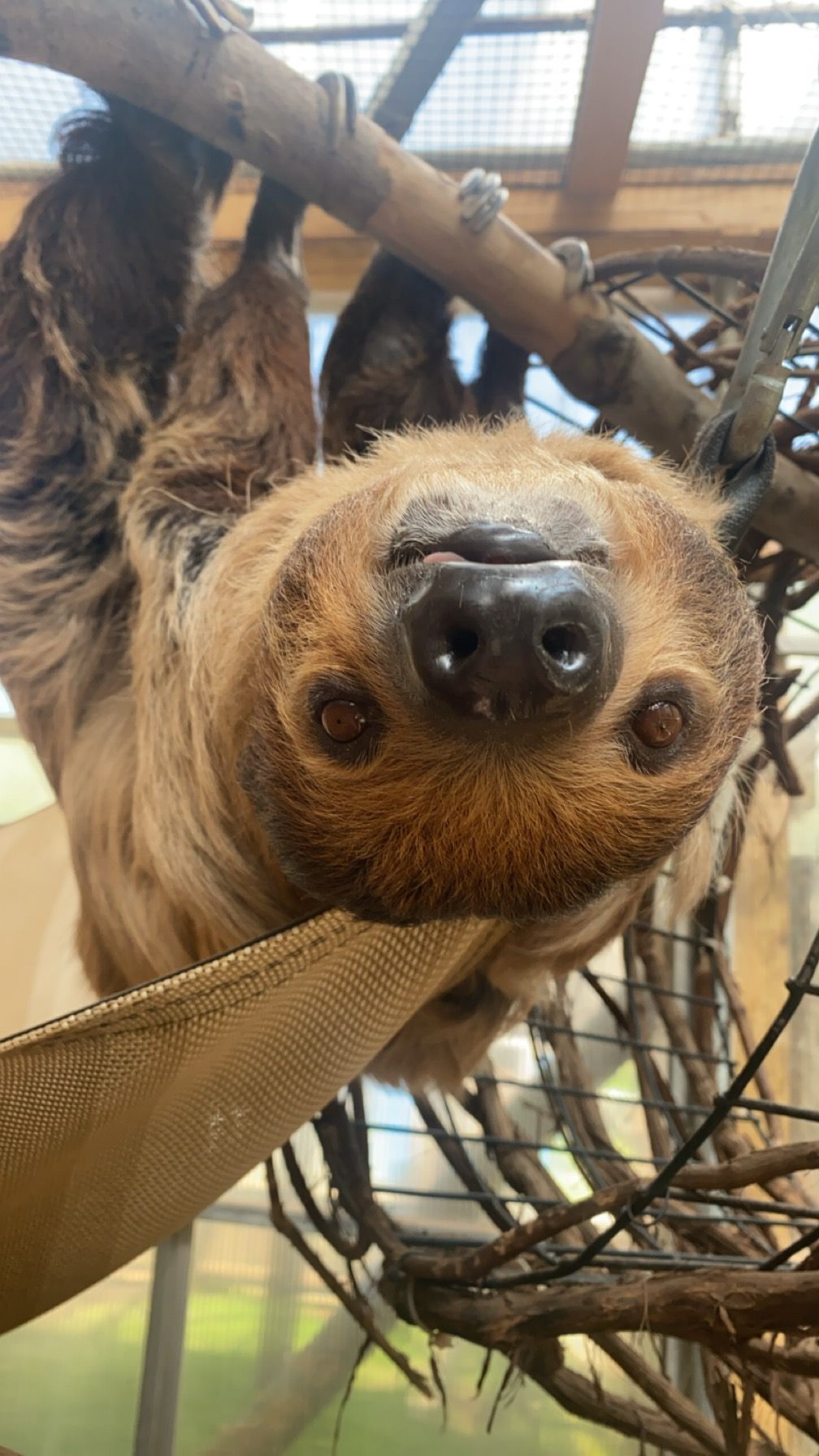
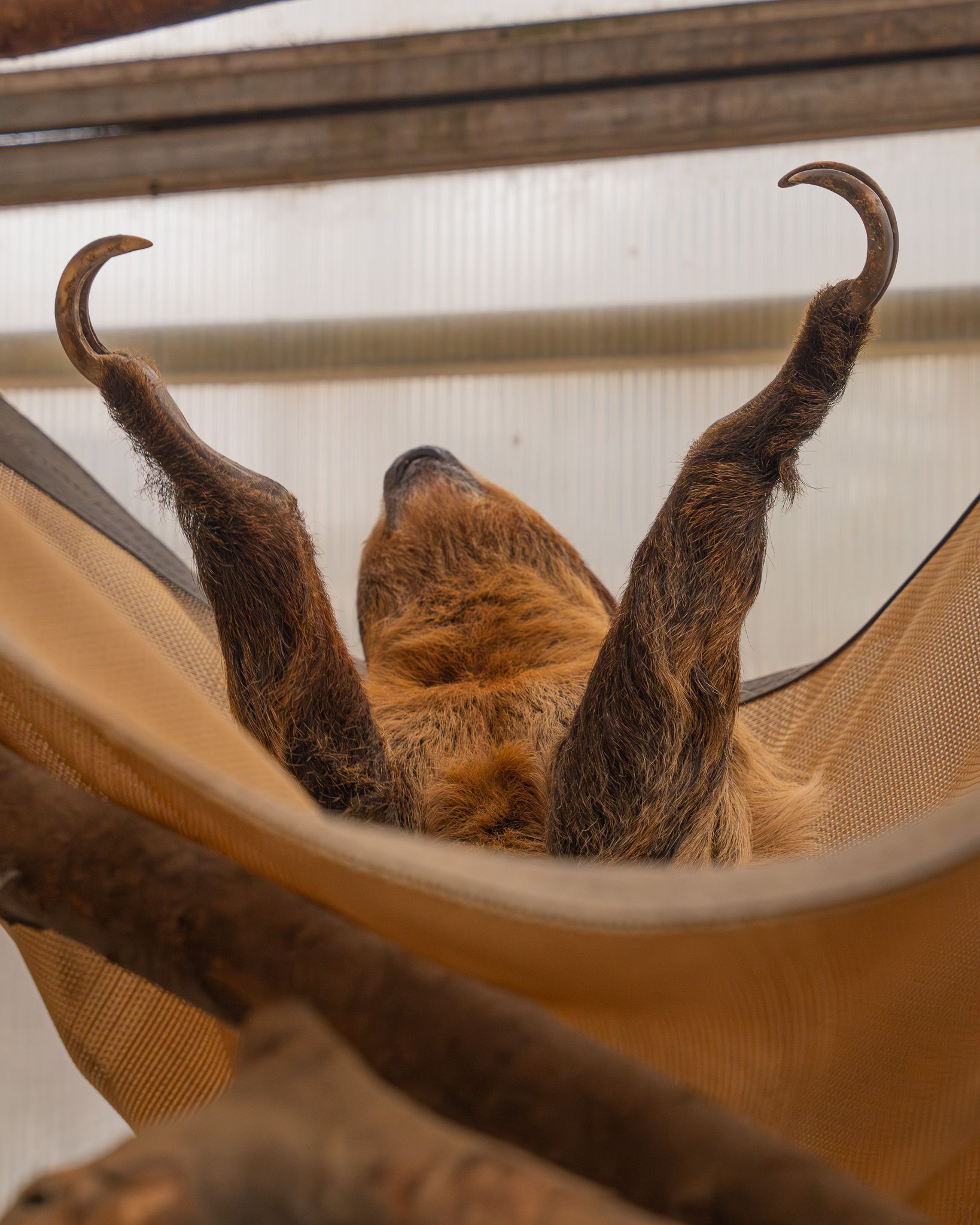
Distinguishing Characteristics: The body is composed of a short neck (only 5 cervical vertebra) with four long limbs of equal length, ending in two curved claws. They are covered in long, brownish-grey hair that curves from stomach to back, opposite that of most mammals. A unique feature of this fur is that each strand has grooves which collect algae, giving the sloth a greenish tint and camouflaging it from predators. The teeth of the Two-toed sloth are small, simple molars that grow continuously, but are constantly ground down by the chewing of food. To compensate for a lack of sharp teeth, this sloth has hardened lips which act to shear and crop leaves.
Adaptations & Fun Facts:
The mother gives birth while hanging upside down. The young are born with claws, and hang onto their mom for about five weeks until they have the strength to go on their own.
They descend to the ground only to change trees or to use the restroom. They have a low metabolic rate and defecate only once each week. The reason why sloths risk their lives and descend to the ground to poop is still largely unknown. Some scientists hypothesize that it's to aid the sloth moths that live in their fur (which lay their eggs in the sloth's droppings), but there is no definitive evidence yet!
Sloths are solitary animals. They are primarily nocturnal, sleeping for 15 hours during the day and waking during the night only to feed. The sloths eat by grasping vegetation with one foot and pulling it to their mouths.
The main defense of a sloth is camouflage. When curled up in a tree, a sloth looks like a termite nest. Sometimes a certain type of algae will grow on their fur, giving them a greenish tinge for even better camouflage. When cornered, they may use their long claws for defense.
Sloths have very little muscle mass. They are not able to shiver.
Sloths spend most of their time hanging in trees. They are very slow and vulnerable on the ground. Their claws are so long that they can’t walk on their feet, but instead must “walk” on their elbows and knees.

Conservation Story
The population size of the Linnaeus’s Two-toed sloth is unknown. The species is affected by habitat loss due to deforestation for large-scale agriculture, logging, exploration for mining and other activities, and urban sprawl. These sloths are also affected by wildfires, which can kill the animal or cause habitat loss. The species is illegally sold as a pet in several parts of their range, but the impact of this activity is difficult to quantify. Although it is illegal to keep wildlife as pets, this practice seems to be increasing.
Legal conservation efforts include particular conservation actions taken by organizations which make government policy to protect all species on earth. The International Union for Conservation of Nature (IUCN) Red List Status is a critical indicator of the health of the world’s biodiversity. Linnaeus’ Two-toed sloths are listed as “Least Concern,” which means they are widespread and abundant in the wild.
What Can We Do To Help?
Support conservation organizations - like Ross Park Zoo - through volunteering, donation, and/or sponsorship. We can also help by learning about the dangers of wildlife trafficking and the exploitation of species in the exotic pet trade through the American Zoo Association’s (AZA) Not-a-Pet campaign. While it may be legal to own a sloth in the United States, the desire to have these wild animals as a pet only contributes to the potential decline of the species.
Check out other animals at the zoo!
-
African Penguin
Learn More -
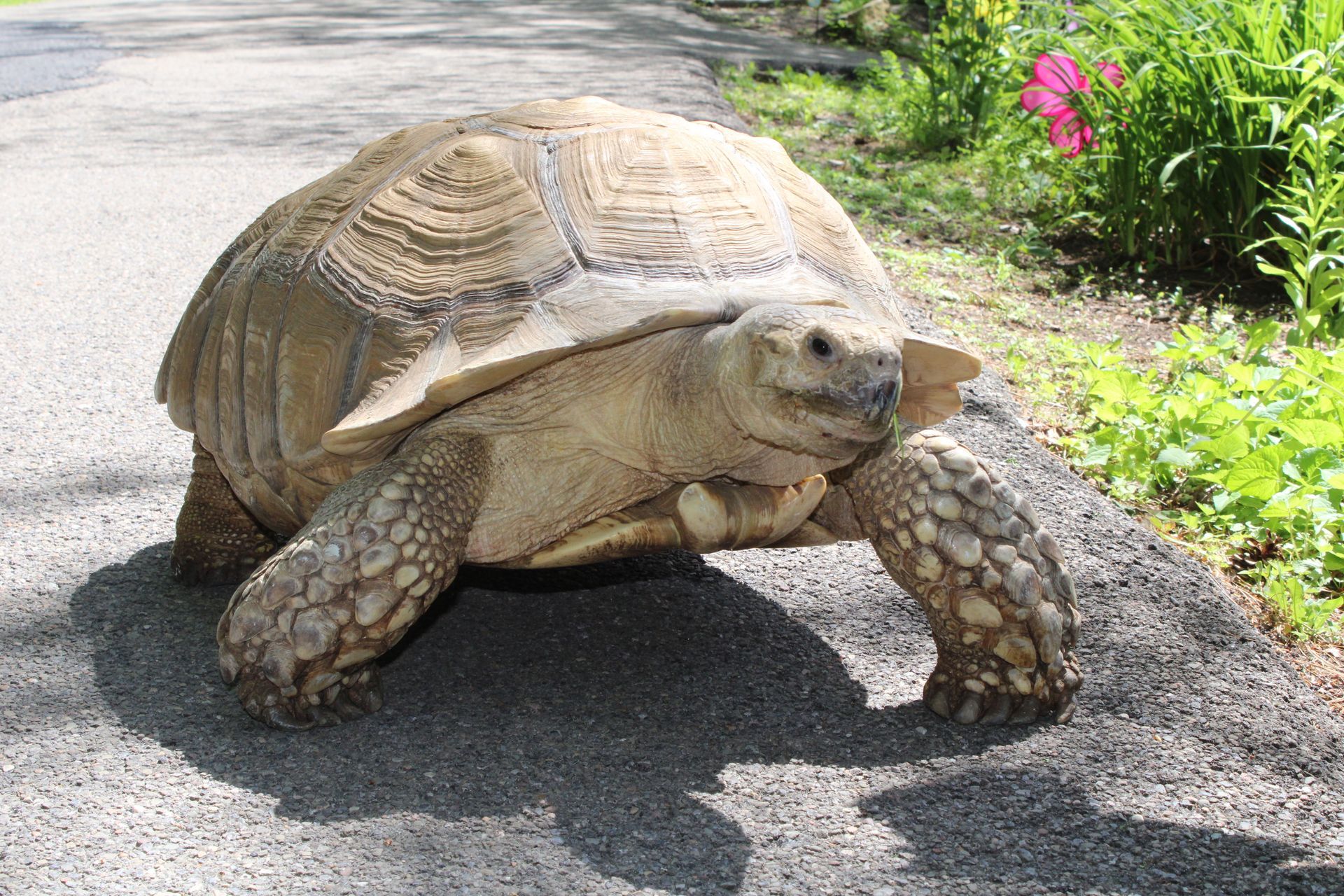
African Spurred Tortoise
Learn More -
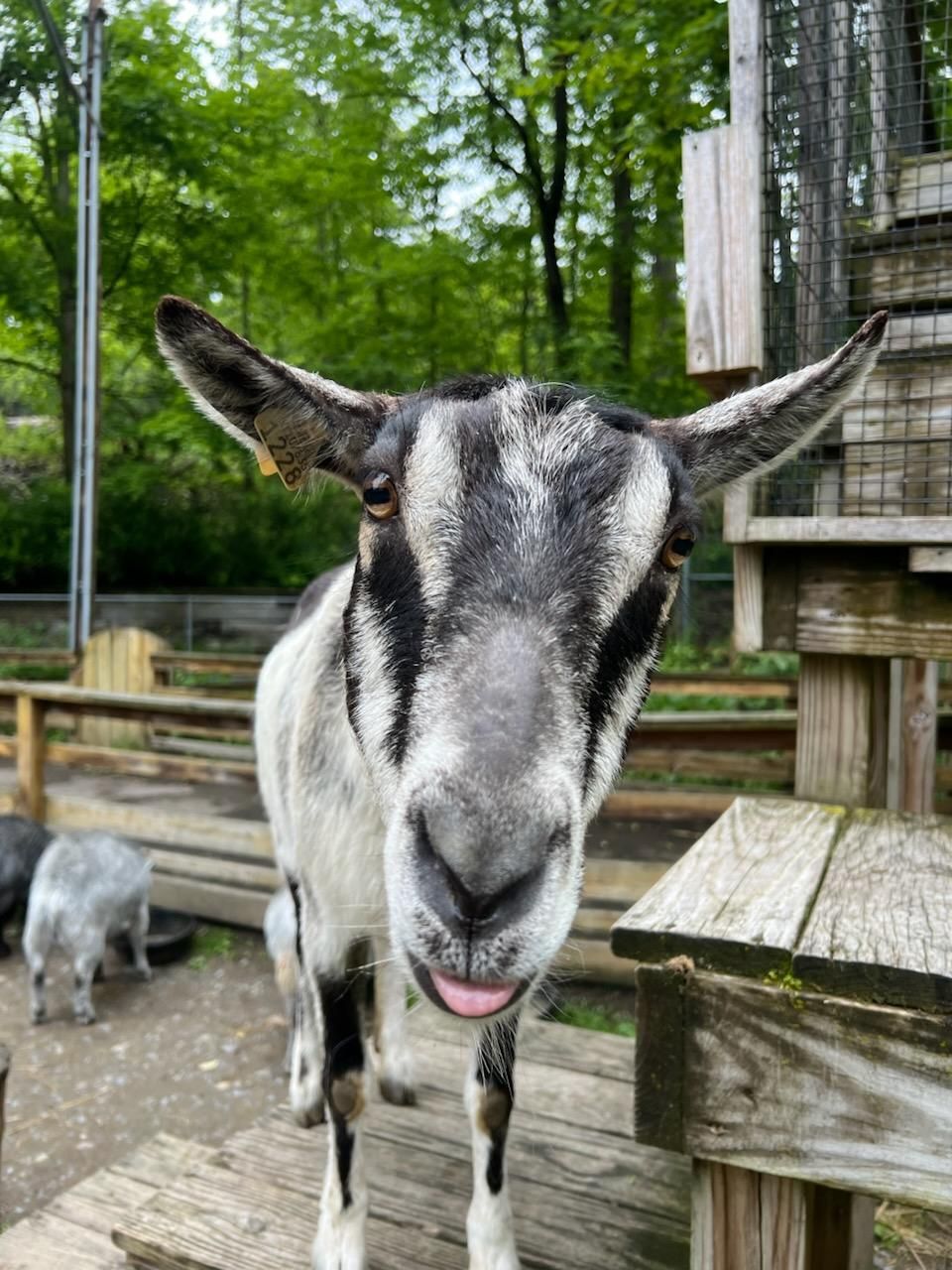
Alpine Goat
Learn More -
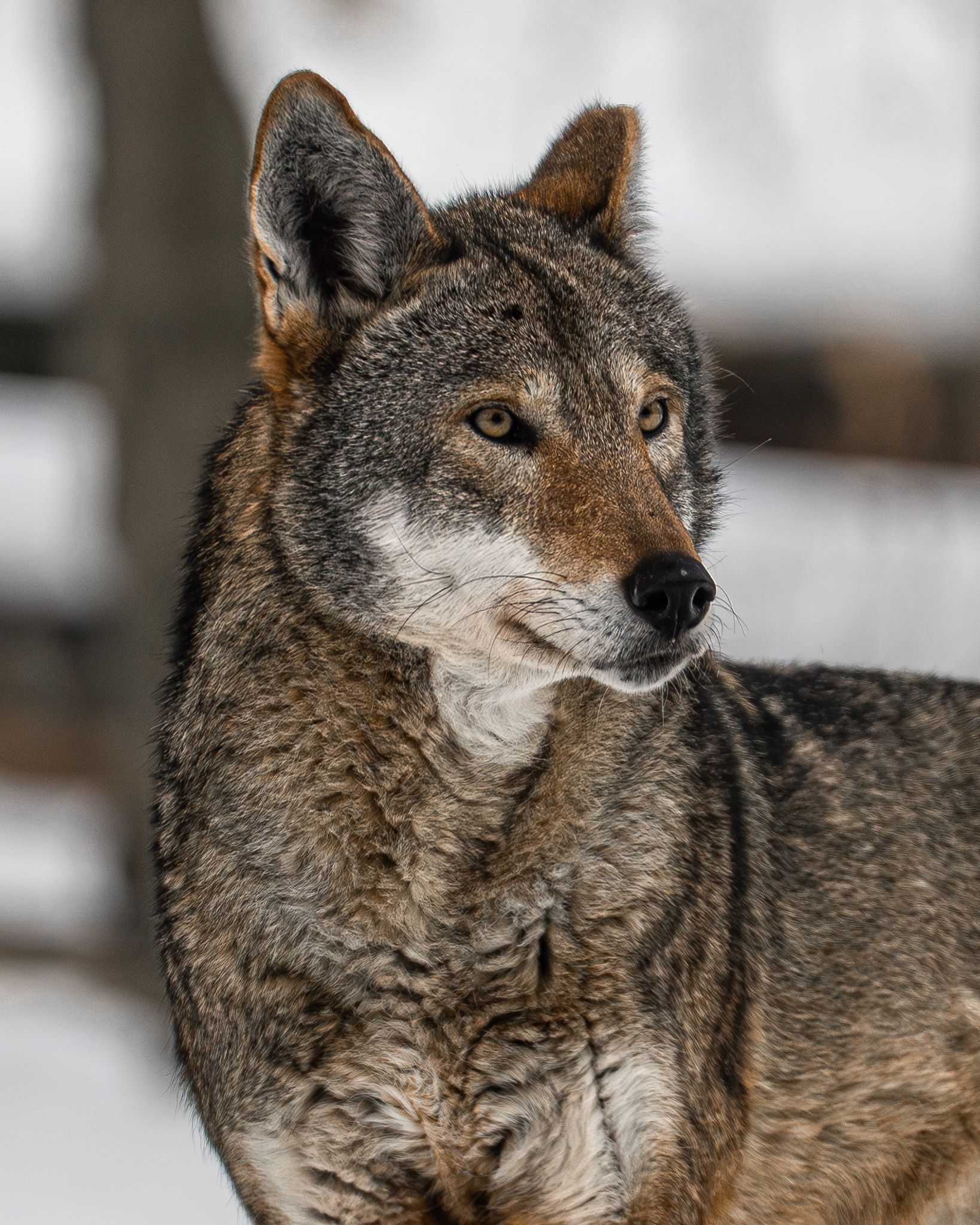
American Red Wolf
Learn More -
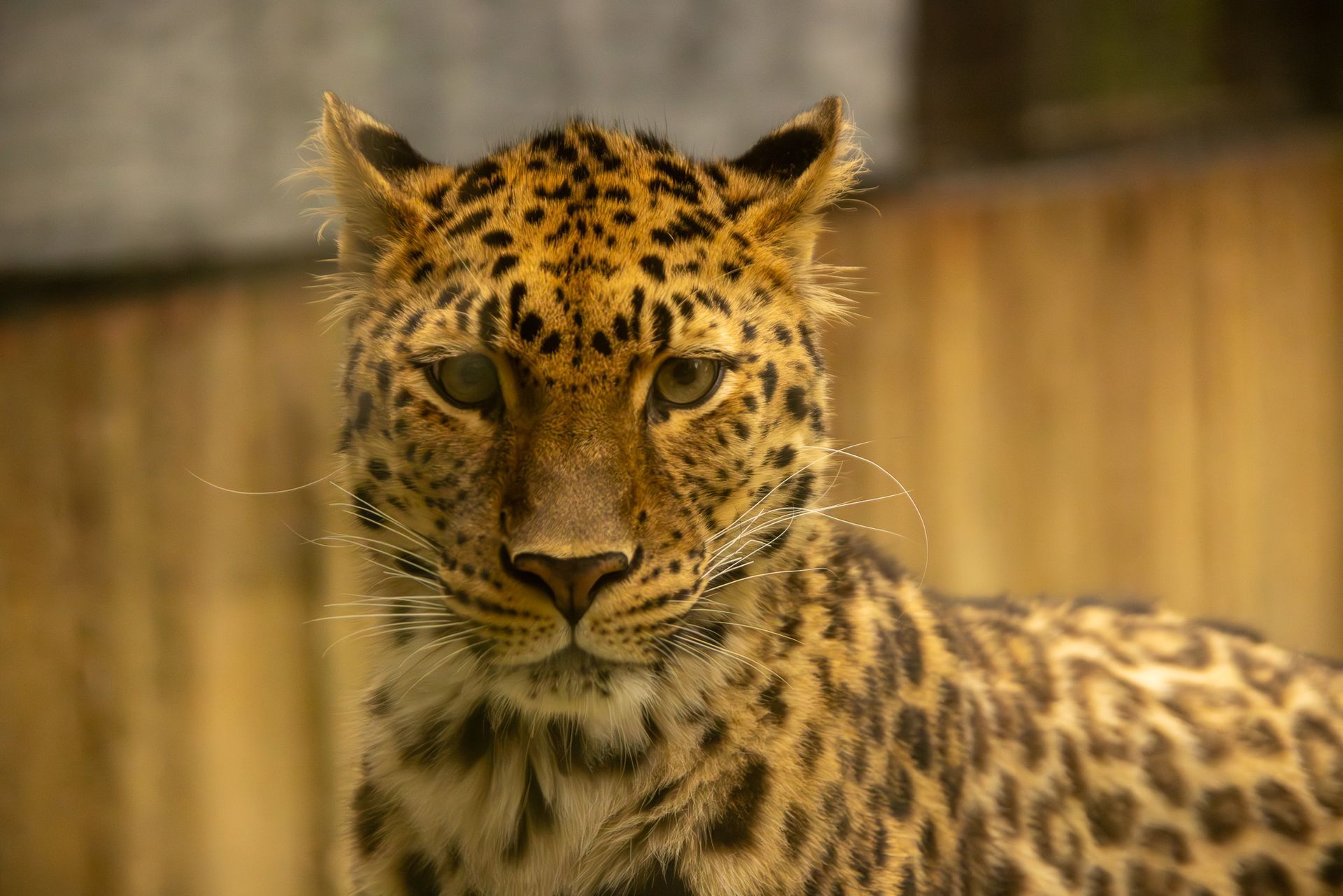
Amur Leopard
Learn More -
Arctic Fox
Learn More -
Bantam Chicken
Learn More -
Barred Owl
Learn More -
Binturong
Learn More -
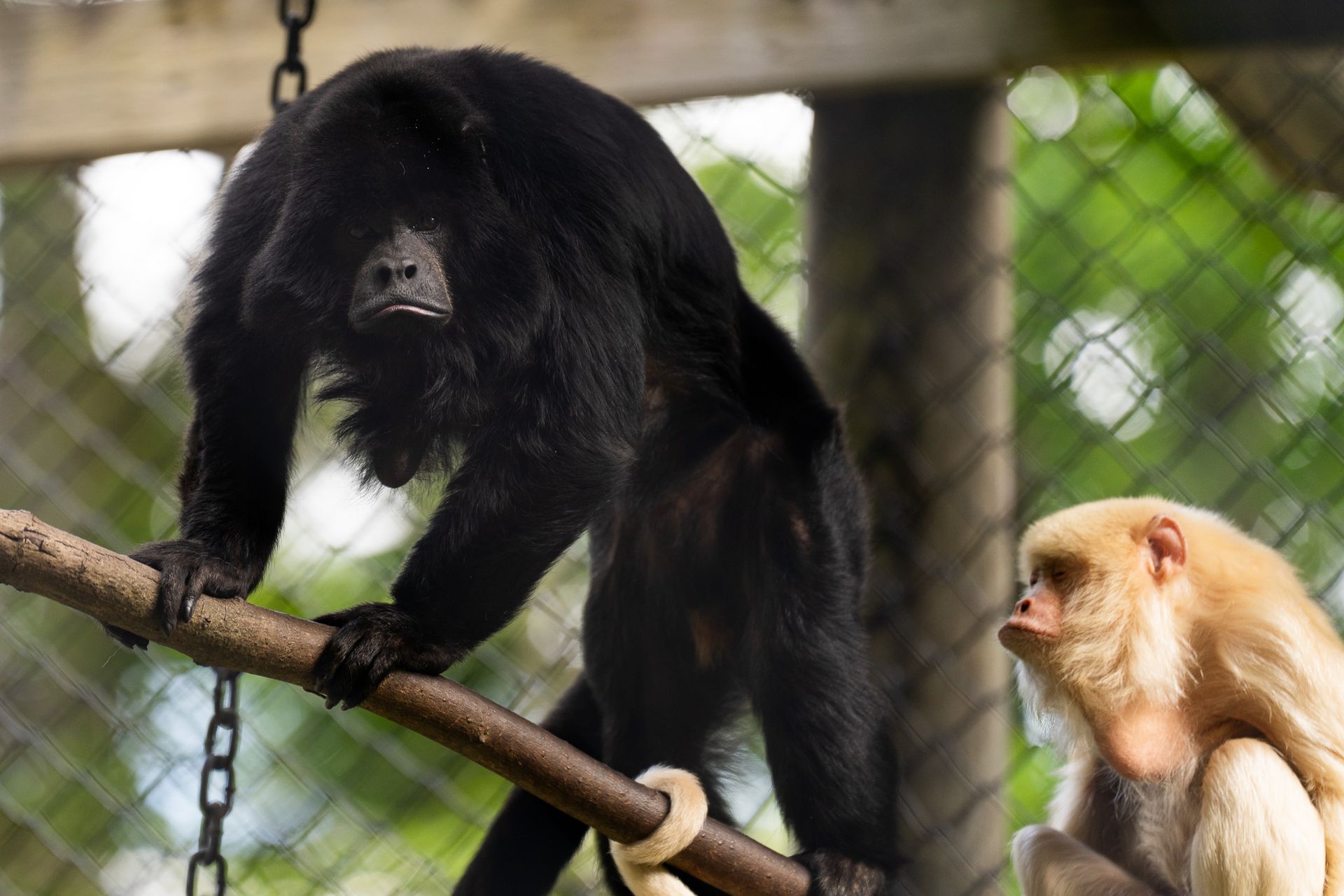
Black Howler Monkey
Learn More -
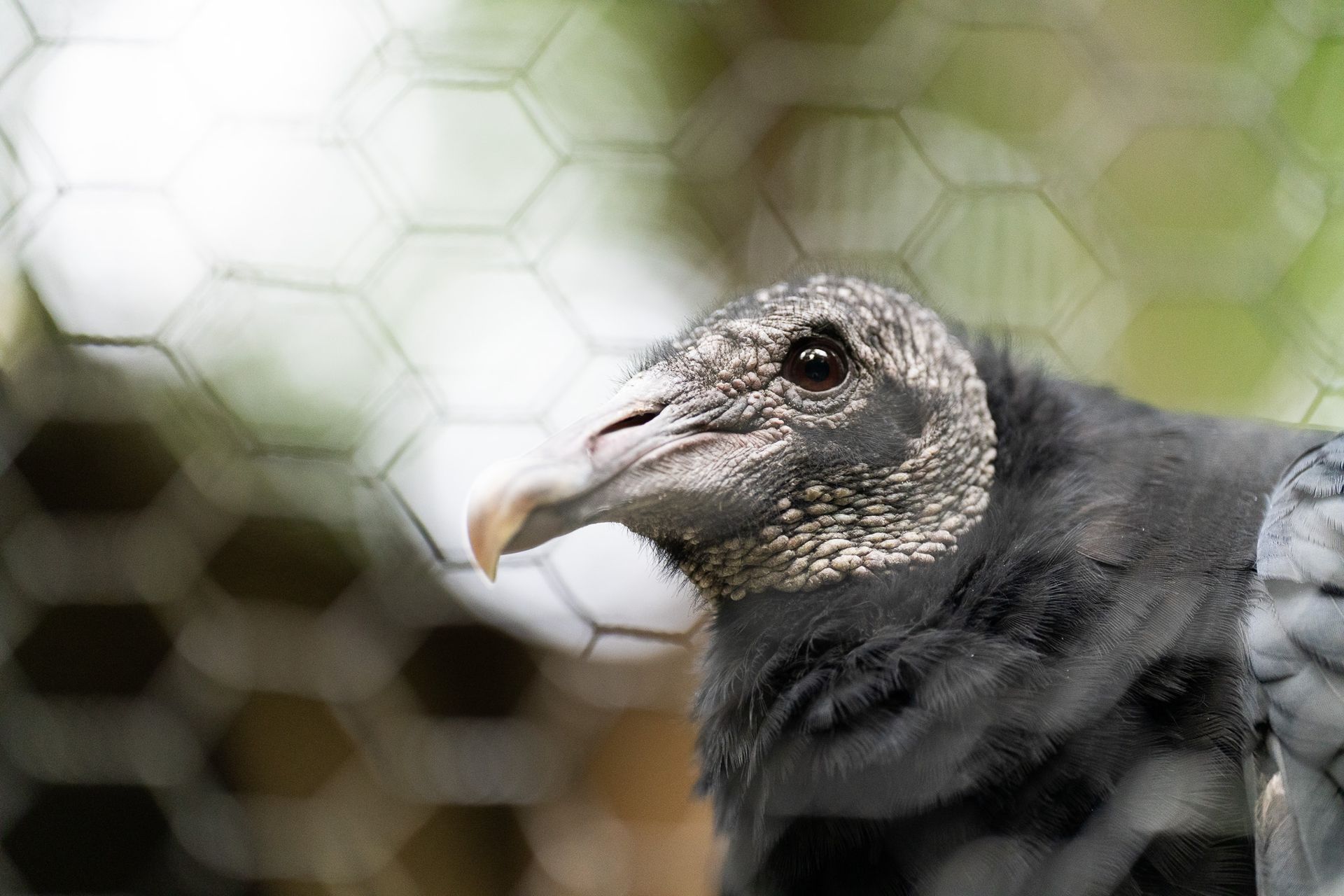
Black Vulture
Learn More -
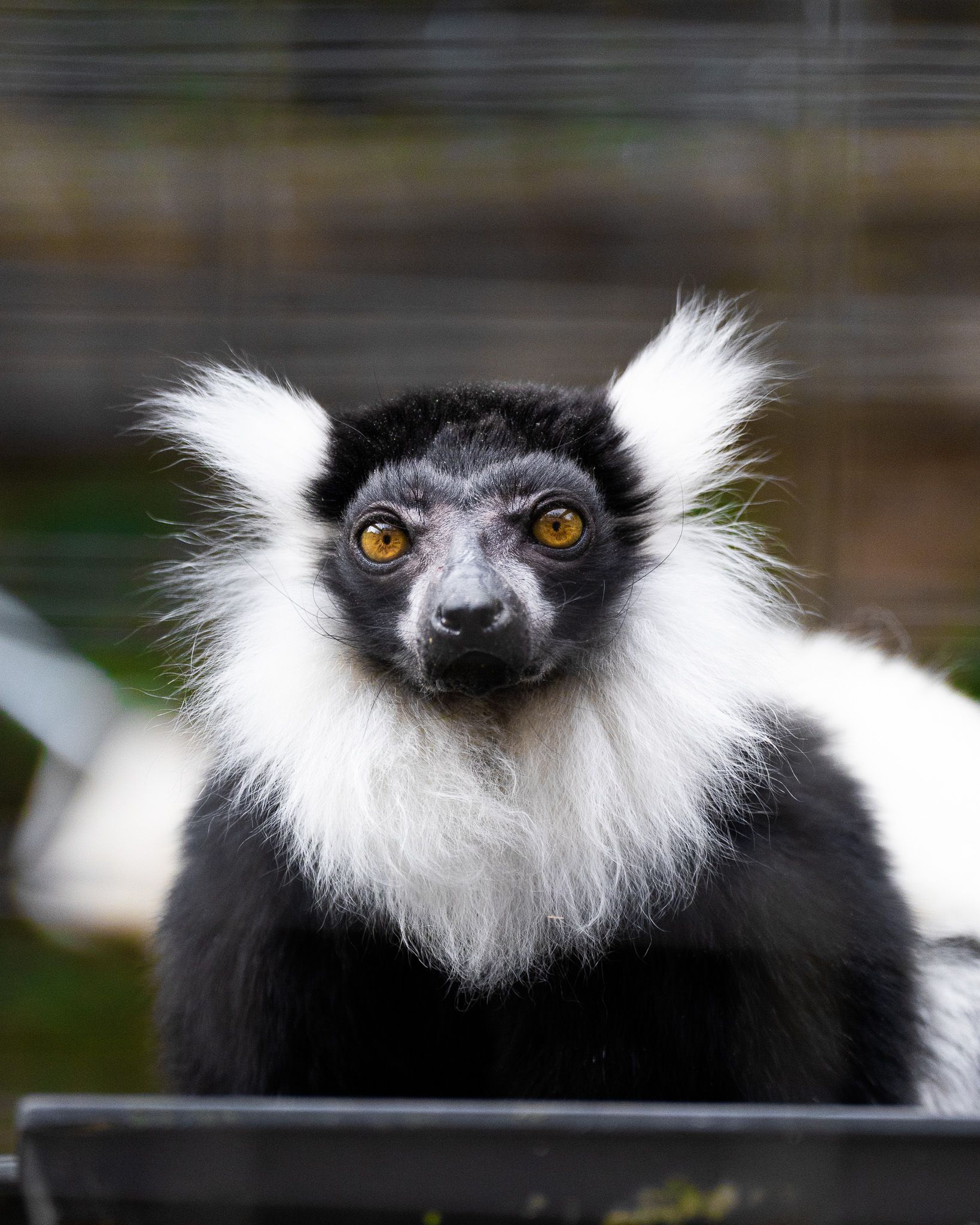
Black-and-white Ruffed Lemur
Learn More