Indian Peafowl

Pavo cristatus

Species Specific Information

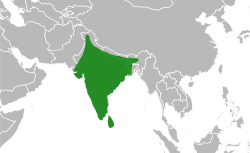
Range

South Asia

Habitat

Terrestrial, temperate, tropical, savanna, grassland, forest, rainforest, mountains

Predators

Felines, canines, humans

Diet

Omnivore


Wild- Amphibians, reptiles, insects, worms, leaves, roots, tubers, seeds, grains, nuts, flowers

Professional Care- Grain, produce, insects


Life Expectancy

Wild- 10 - 18 years 

Professional Care- 15 - 25 years


Physical Characteristics:

Weight: 6 - 13 lbs (3 - 6 kg)

Size: 35 - 80 in (90 - 210 cm)


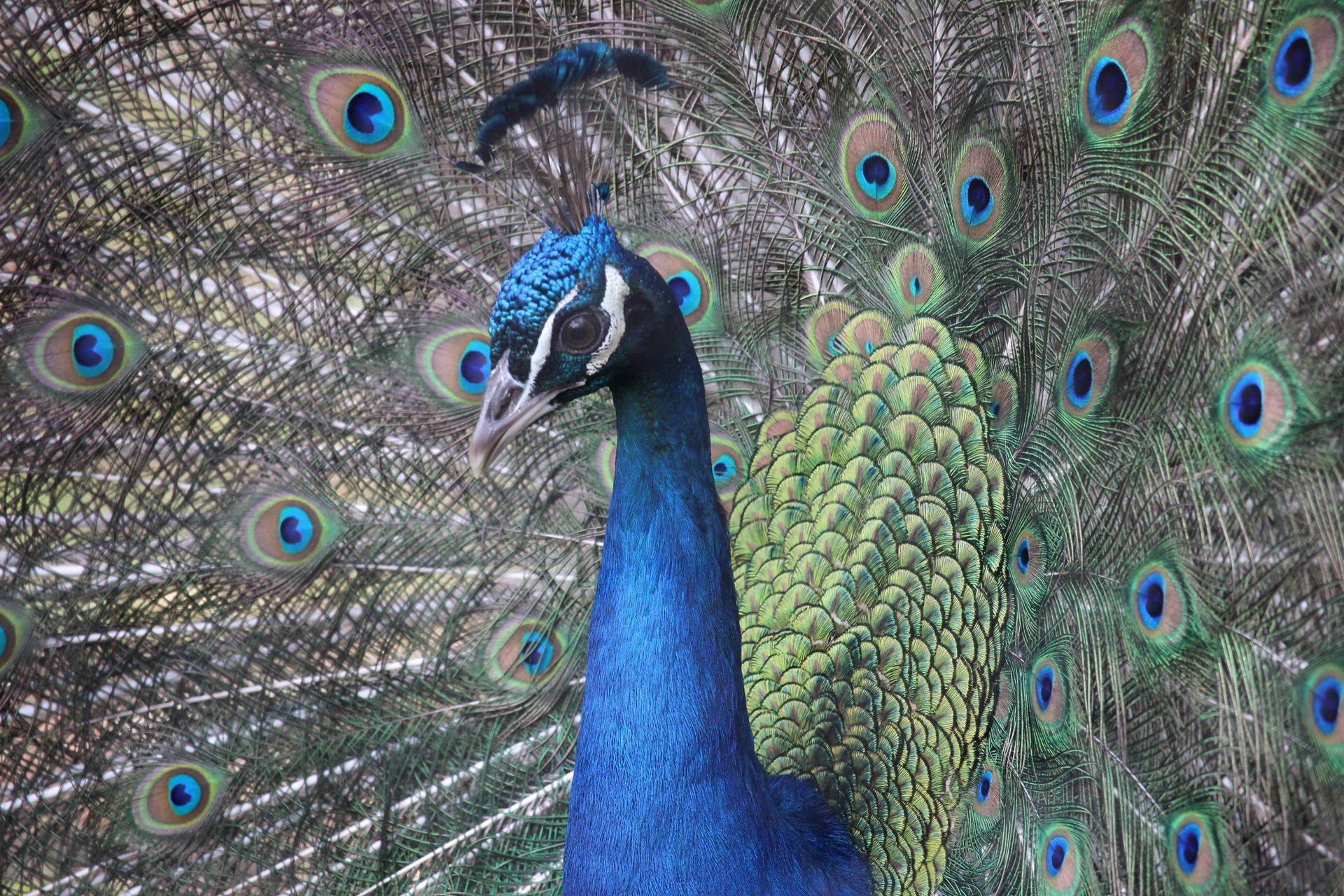
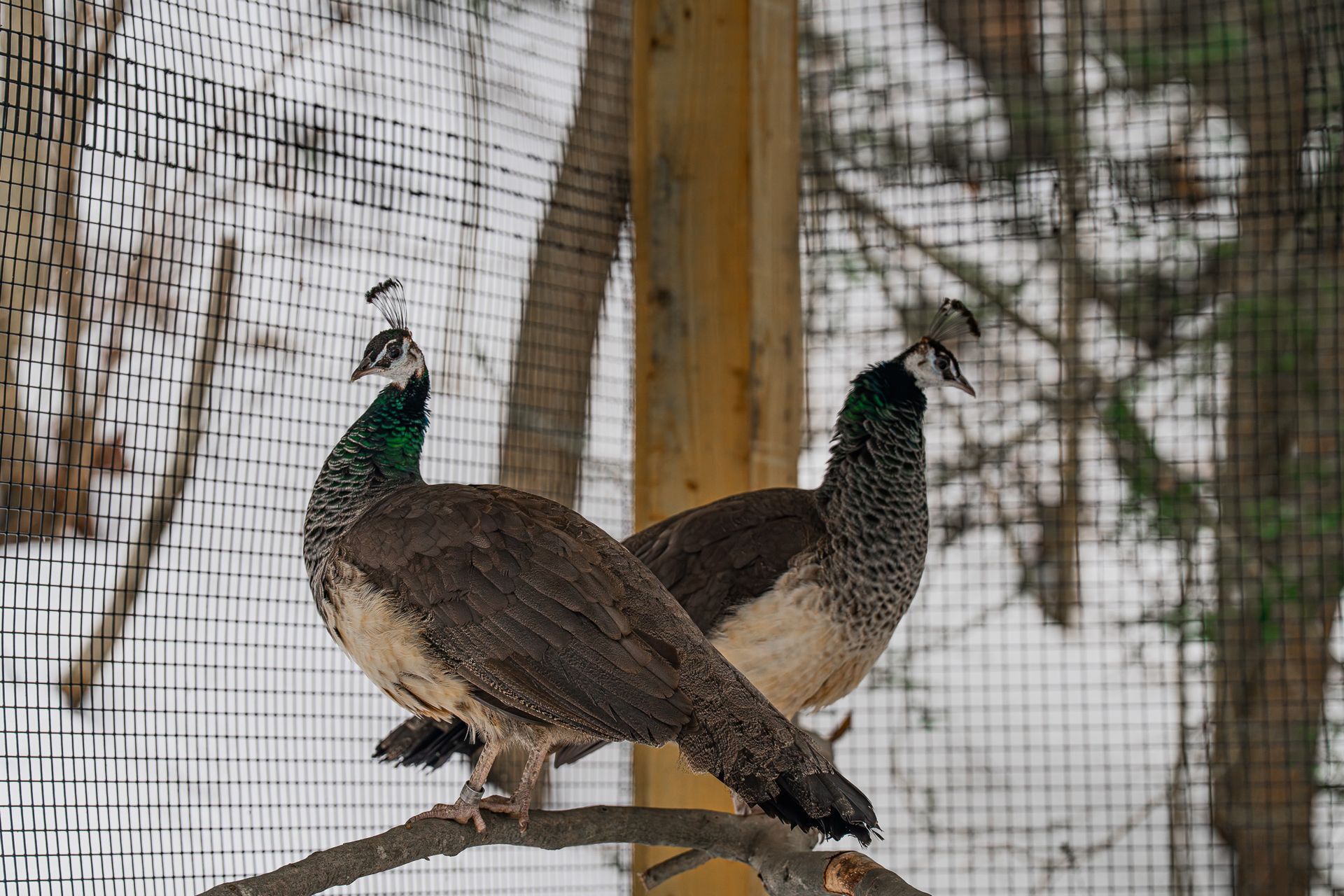
Distinguishing Characteristics:  Indian peafowl are known best for their exquisite train and plumage. If the length of the tail and wing span is included, the peafowl is considered one of the largest flying birds. Peafowl have a wingspan of 4.5 - 5 feet (1.5 m). This species has long, strong, grayish-brown legs equipped for running into brush for safety. Both sexes are equipped with spurs that are around 1 inch (2.5 cm) long; males will use them during the breeding season to ward off other competing males. Females are brown, grey, and cream-colored.

Adaptations & Fun Facts:

Despite their brightly colored feathers, they are actually very well camouflaged and can disappear into their forested environment within seconds. 


Even with their long train, peafowl are able to fly up into trees and other tall perches with surprising ease. At night, peafowl roost in trees to avoid predators. 


Perhaps most famous for the tail's length and color, male peafowl - called peacocks - lift the trains straight into the air and spread them into an impressively-sized fan; shaking of the feathers is often included. Males will use this display to attract mates, as females - called peahens - have a strong preference for more colorful fans. Though less impressive, peahens will also lift and spread their train feathers as a mating display. There is recent debate about whether the peacock's train is used as a mating tool anymore, with some suggesting that peahens select a mate based off a variety of other factors instead.


Peafowl are the national birds of India. 


Peacocks do not grow their colorful feathers until about 4 years of age. Every winter season, peacocks molt these decorative feathers, and when they grow back in, they are longer and more impressive. 

Conservation Story

The global population size is not known, but the species is reported to be common, with conservative estimates of the population in 2002 putting them at more than 100,000. Recent evidence suggests that the population trend of this species is increasing. Poaching of peafowl for their meat and feathers, and accidental poisoning by feeding on pesticide treated seeds, are known threats to wild birds. It is also hunted in some areas for usage in folk remedies. The birds have been part of the agricultural ecosystem for centuries, where they aid in seed dispersal and feed on pests such as insects and small rodents.


The Indian peafowl is protected both culturally and by law in India and Sri Lanka. Methods to identify if feathers have been plucked or have been shed naturally have been developed, as Indian law allows only the collection of feathers that have been shed. Cities have introduced peafowl management programmes, which include education on how to prevent the birds from causing damage while treating the birds humanely.


Legal conservation efforts include particular conservation actions taken by organizations which make government policy to protect all species on earth. The International Union for Conservation of Nature (IUCN) Red List Status is a critical indicator of the health of the world’s biodiversity. Indian peafowl are listed as “Least Concern,” which means they are widespread and abundant in the wild. The Convention on International Trade in Endangered Species of Wild Fauna and Flora (CITES) lists Indian Peafowl as Appendix III; this means they are included at the request of a Party that already regulates trade in the species and needs the cooperation of other countries to prevent unsustainable or illegal exploitation.

What Can We Do To Help?

Support conservation organizations like - Ross Park Zoo - through volunteering, donation, and/or sponsorship. We can also help by learning about the dangers of wildlife trafficking and the exploitation of species in the exotic pet trade through the American Zoo Association’s (AZA) Not-a-Pet campaign. While it may be legal to own Indian peafowl in the United States, the desire to have these wild animals as a pet only contributes to the potential decline of the species. 

Check out other animals at the zoo!