Cinereous Vulture
Aegypius monachus
Species Specific Information
Physical Characteristics:
Weight: 15 - 30 lbs (5 - 15 kg)
Size: 40 - 45 in (110 - 120 cm)
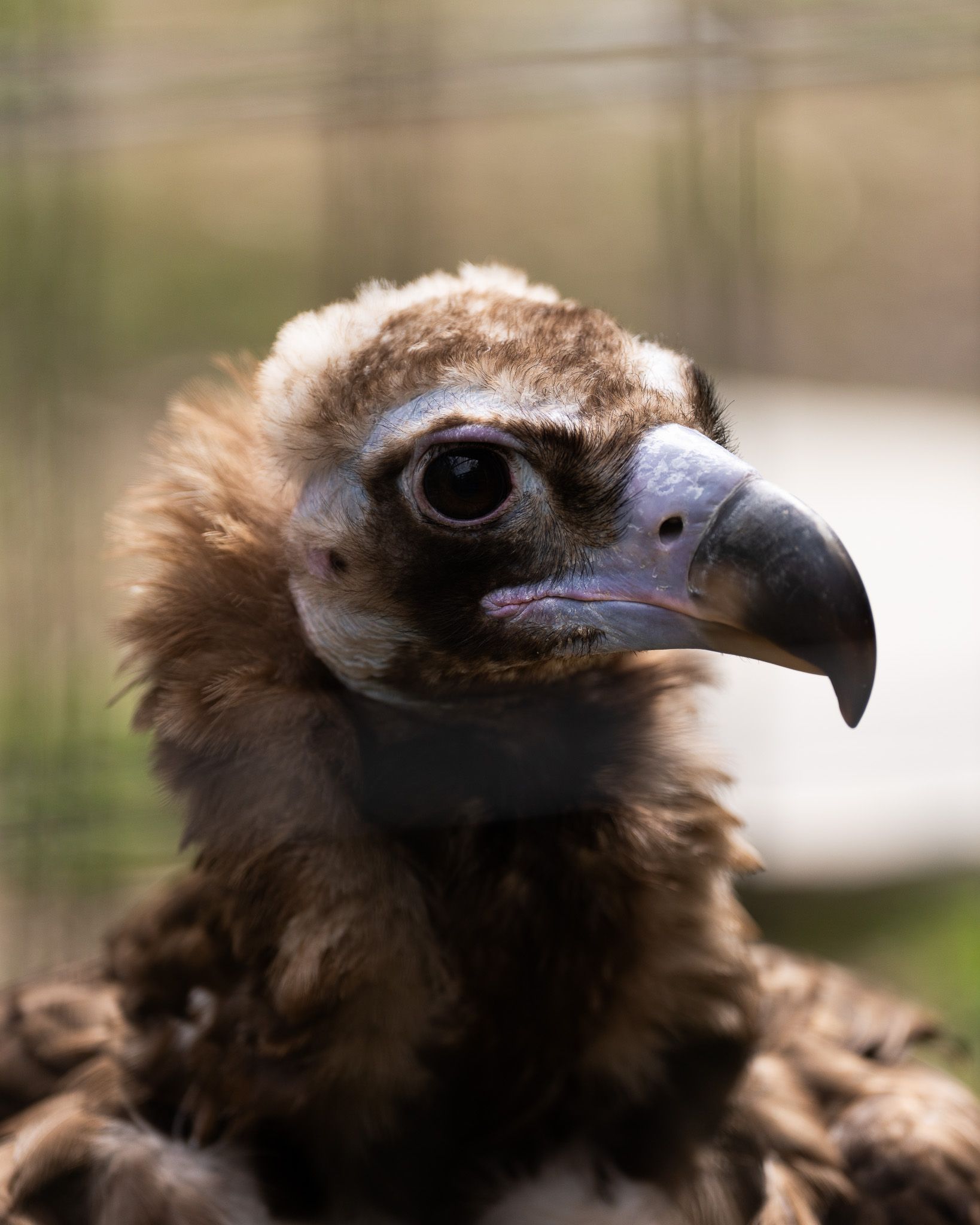
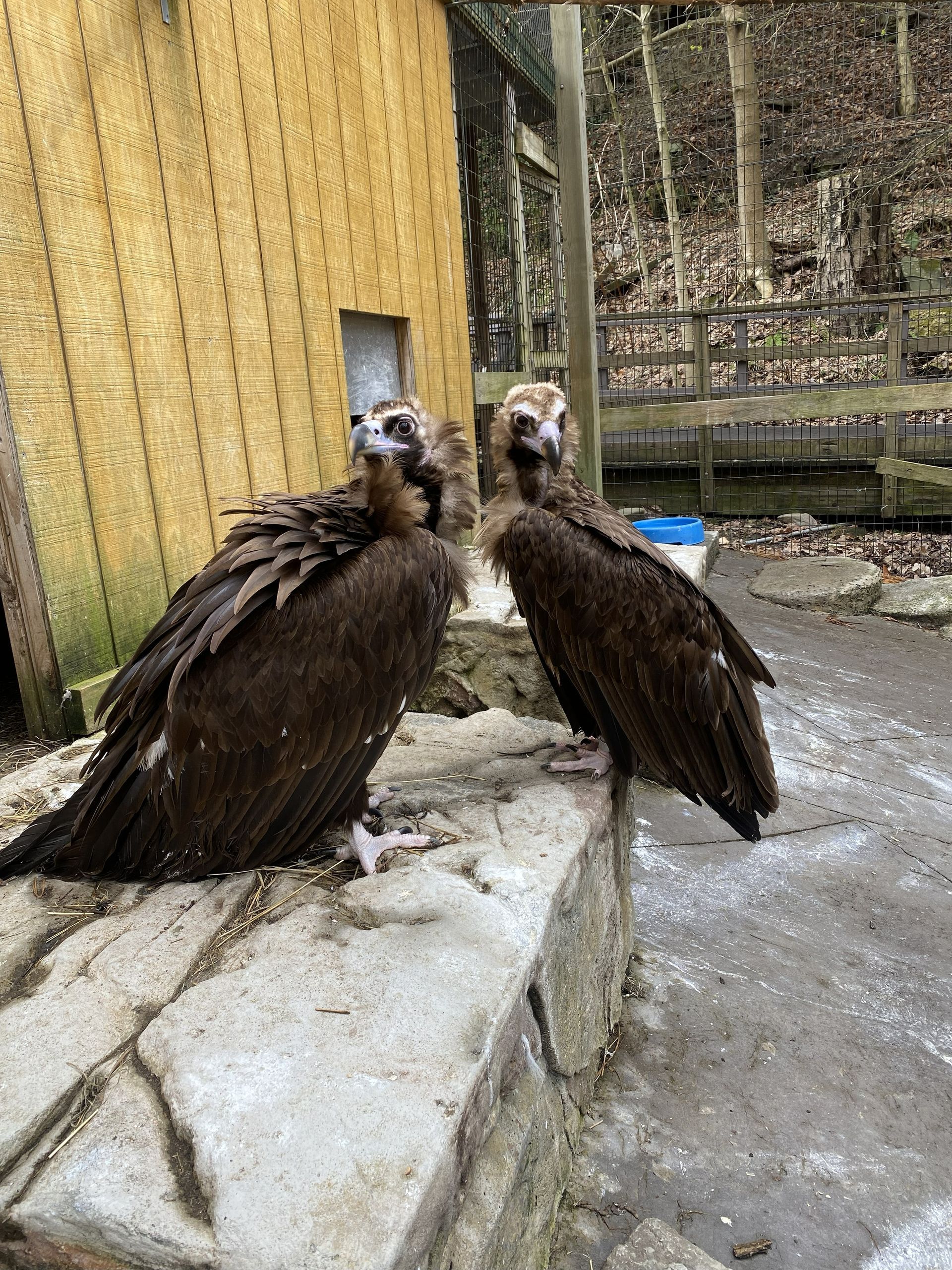
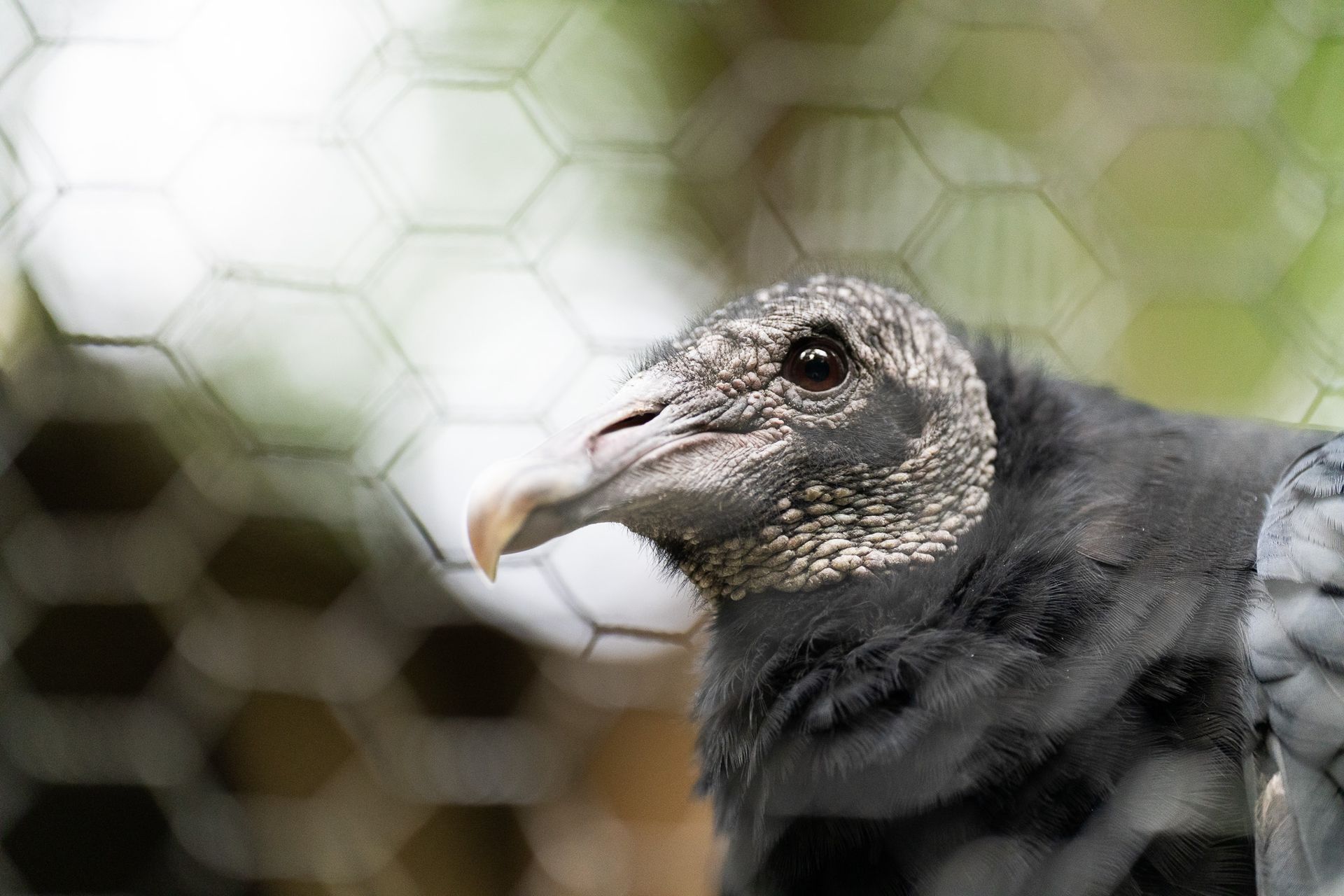
Distinguishing Characteristics: Female Cinereous vultures are normally heavier and slightly larger than males. They have a broad head and bodies covered in black and/or brown feathers. Their beak is black and their eyes are brown. Feathers on their head are smaller than those found on the rest of their body. Their legs are a grayish-blue or a whitish-yellow in adults, but during adolescence, their legs and beaks are pink. Their wingspan is between 8 and 9.5 ft (2.5 to 3 m).
Adaptations & Fun Facts:
The large beak is well suited for feeding on tough material such as sinew, dry skin, and muscle. The short feathers on the Cinereous vulture's head and neck keep the bird healthy by preventing carrion from accumulating when the animal is feeding. Like the Black vulture, Cinereous vultures have incredibly acidic stomachs (with a pH of between 0 - 1) that allow them to eat carrion which would be far too rotten for any other scavenger. Vultures of all kinds are essential in disposing of carrion and eliminating lethal bacteria such as botulinum toxin, hog cholera, and anthrax.
Sharp eyesight helps the vulture spot carcasses from far above.
The Cinereous vulture is a largely solitary bird, being found alone or in pairs much more frequently than most other Old World vultures.
They are one of the only vultures to take live prey, and they have the talons to prove it!
Cinereous vultures are massive! They are one of the largest flying birds in the world, and among birds of prey, they are second only to Andean condors, which are usually considered to be only slightly larger. The proportions are hard to imagine, but to put it into perspective: these birds could easily wrap their wings around any human, although they would be unable to lift that person.
These birds do not migrate like other birds; they stay in one nest throughout the year.

Conservation Story
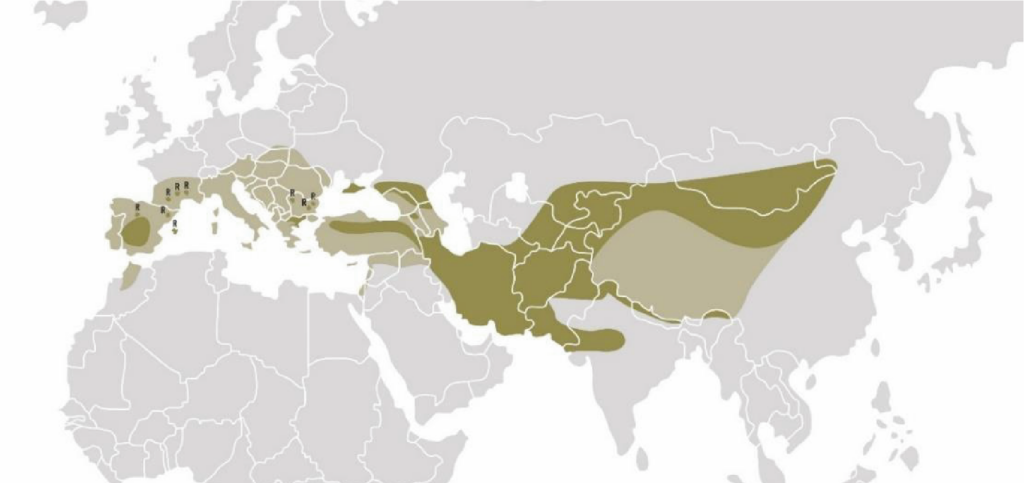
There are an estimated 17,000 - 23,000 Cinereous vulture adults remaining in the wild. Although the European population is increasing, the larger Asian populations appear to be in decline; overall, there is a slow and ongoing decline in the population of Cinereous vultures. The Cinereous vulture faces two main threats: direct mortality caused by humans (accidentally or on purpose), and the decreasing availability of food. Some populations also have low genetic diversity, which prevents the population from expanding. Between habitat loss due to human development and climate change threatening their food supply, these helpful decomposers are considered Near Threatened.
Legal conservation efforts include particular conservation actions taken by organizations which make government policy to protect all species on earth. The International Union for Conservation of Nature (IUCN) Red List Status is a critical indicator of the health of the world’s biodiversity. Cinereous vultures are listed as “Near Threatened,” suggesting the species is at risk of extinction in the near future. The Convention on International Trade in Endangered Species of Wild Fauna and Flora (CITES) lists the Cinereous vulture as Appendix II; this means that they are not necessarily threatened with extinction, but may become so unless wildlife trafficking and other trades are not controlled.
What Can We Do To Help?
Support conservation organizations - like the Vulture Conservation Foundation and Ross Park Zoo - through volunteering, donation, and/or sponsorship.
Check out other animals at the zoo!
-
African Penguin
Learn More -
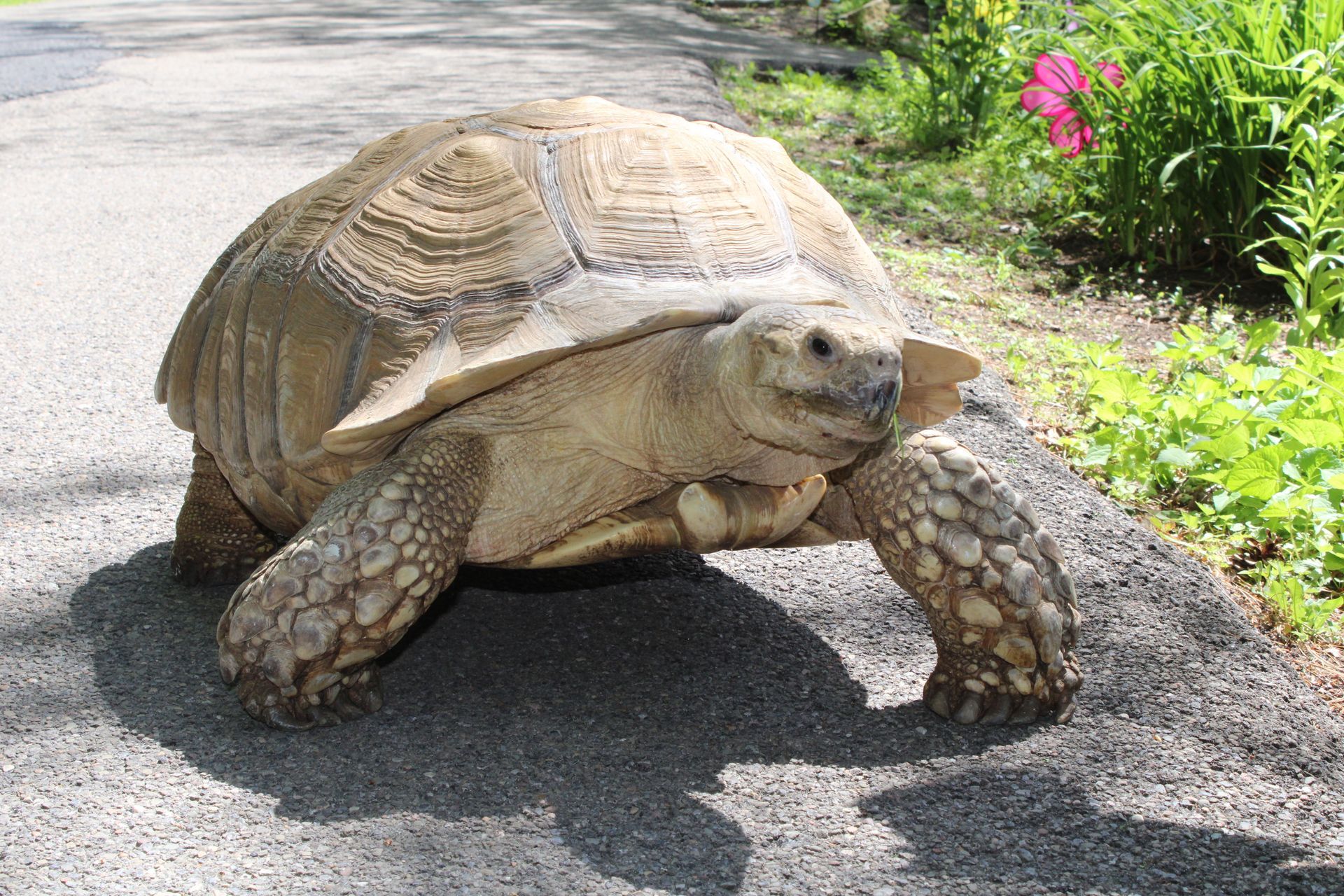
African Spurred Tortoise
Learn More -
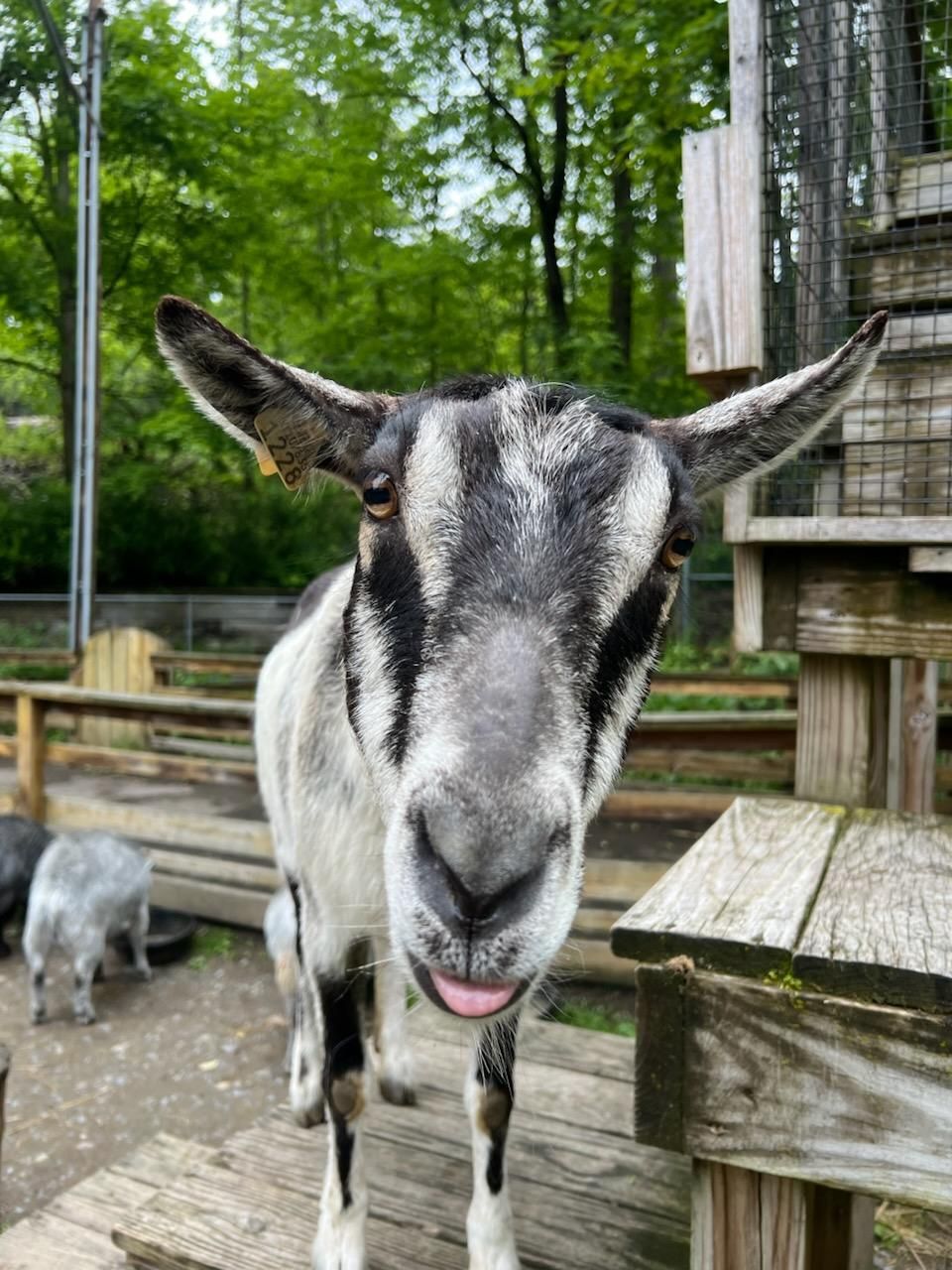
Alpine Goat
Learn More -
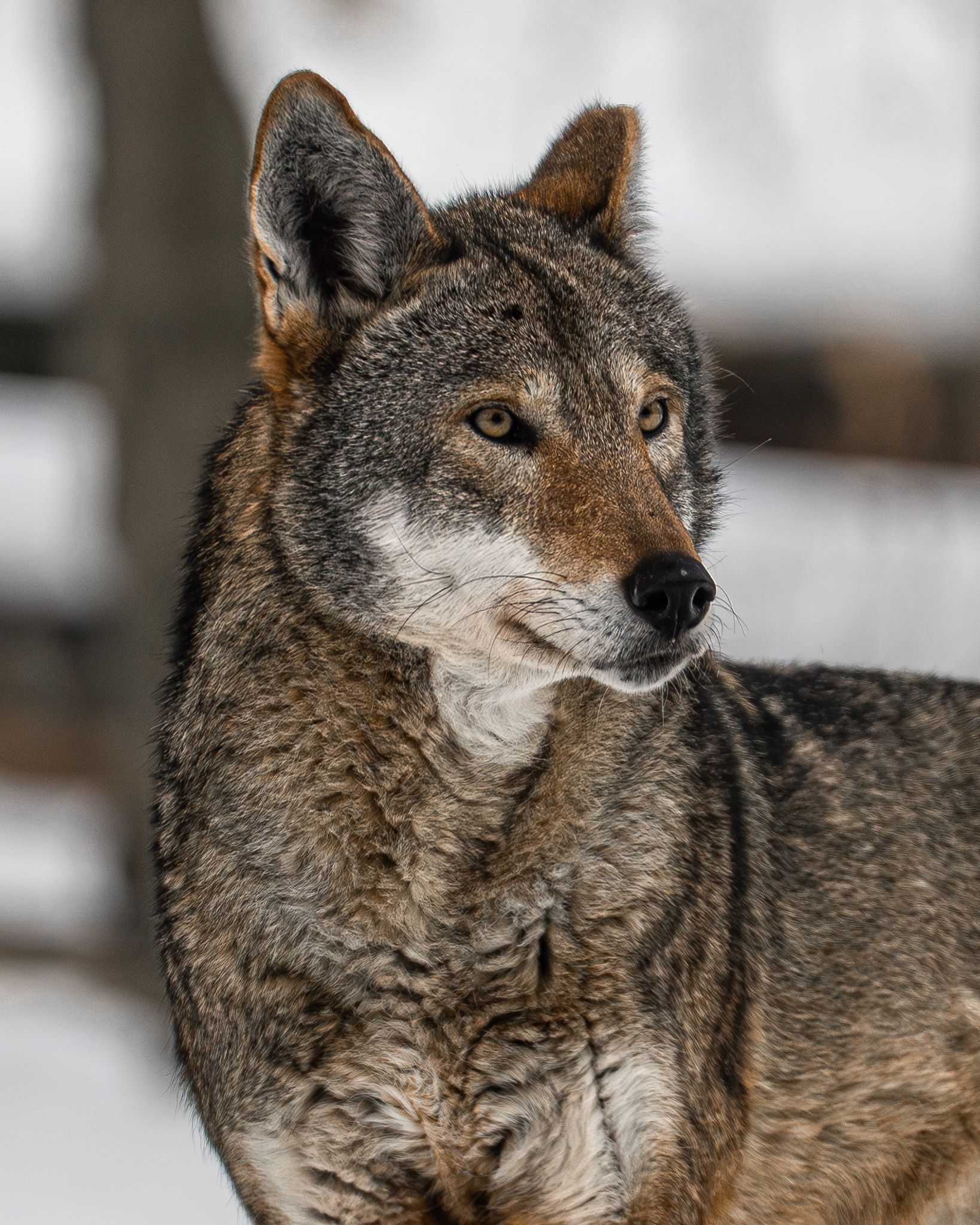
American Red Wolf
Learn More -
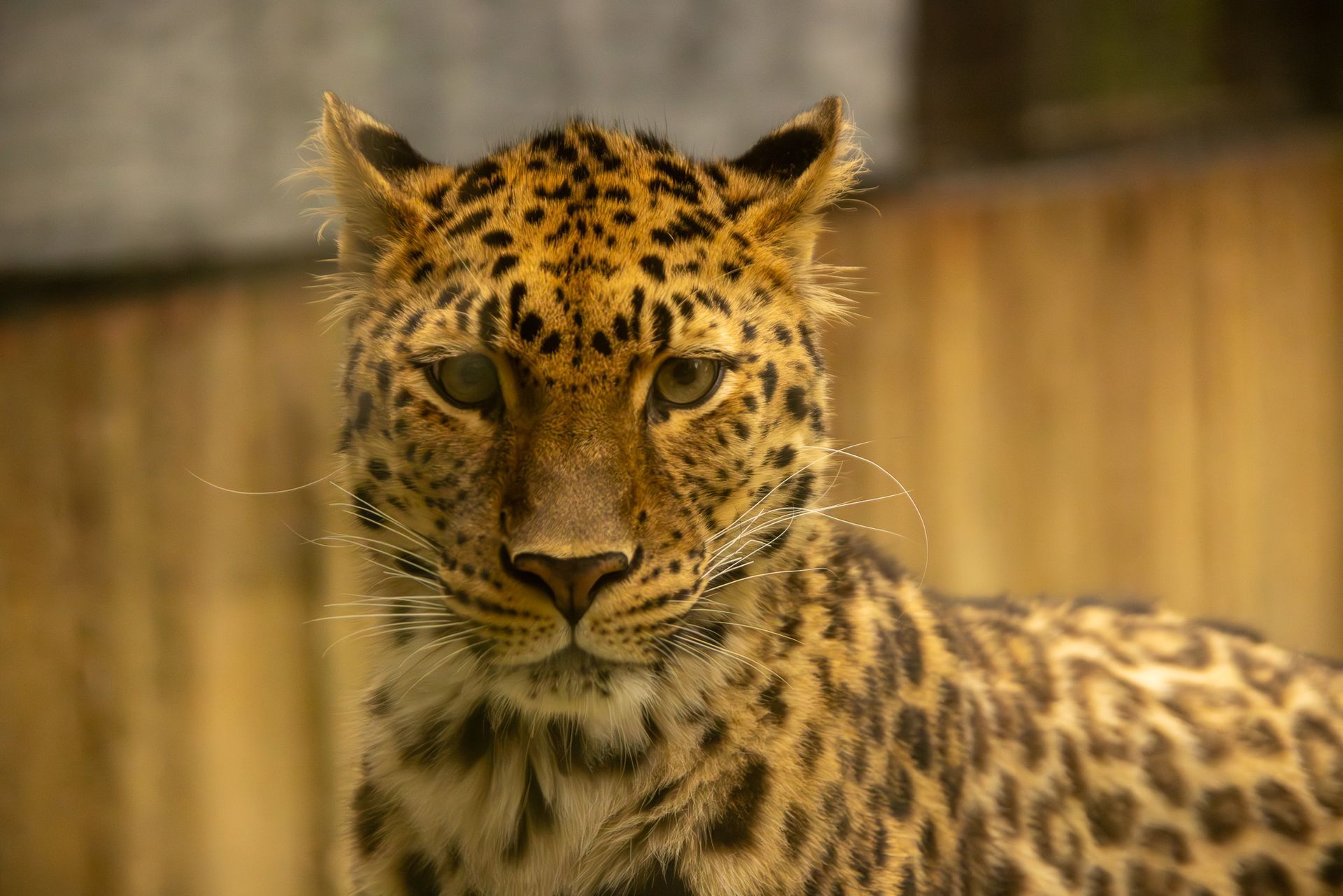
Amur Leopard
Learn More -
Arctic Fox
Learn More -
Bantam Chicken
Learn More -
Barred Owl
Learn More -
Binturong
Learn More -
Black Howler Monkey
Learn More -
Black Vulture
Learn More -
Black-and-white Ruffed Lemur
Learn More