Curlyhair Tarantula
Tliltocatl albopilosus

Species Specific Information
Physical Characteristics:
Weight: 1 - 3 oz (30 - 90 g)
Size: 4 - 5 in (10 - 12 cm)
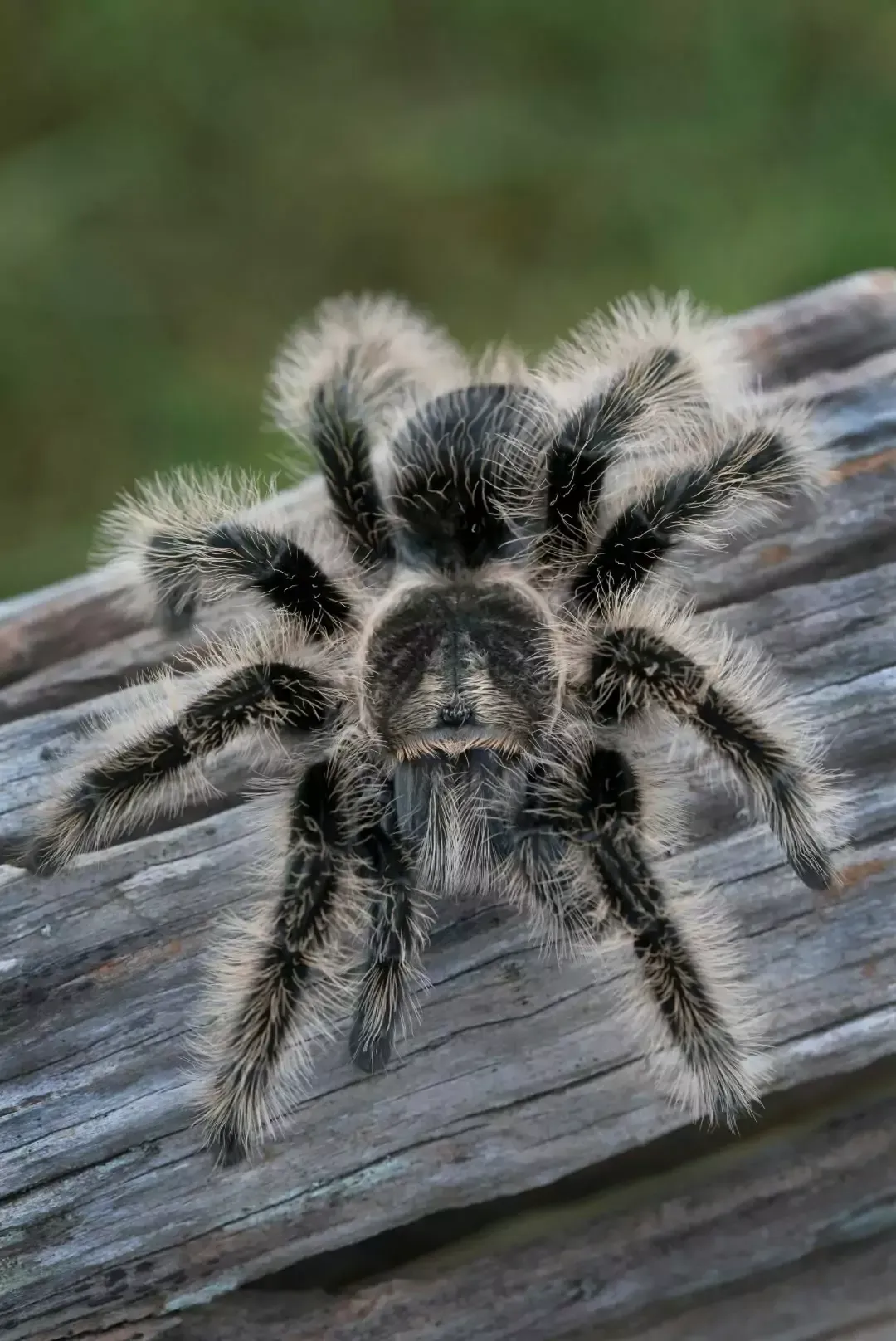
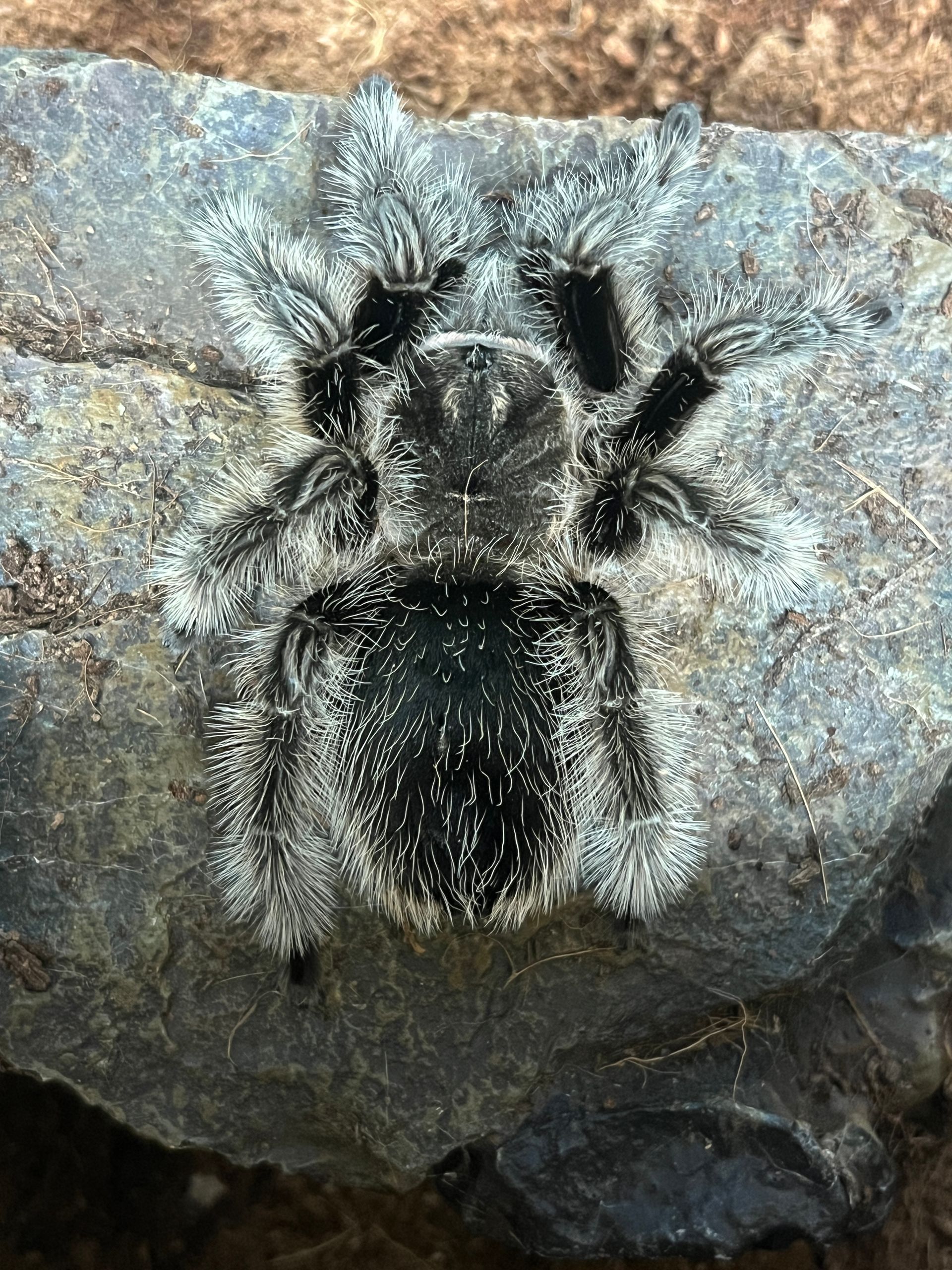
Distinguishing Characteristics: The Curlyhair tarantula is a plump-bodied spider, covered with dark brown to black bristles that start light in coloration as a juvenile and darken as the tarantula ages. It has a golden-bronze sheen due to longer gold bristles that cover the whole body, which are particularly dense on the hind legs. Both male and females grow to have a leg span of just over 6 inches (15 cm). Males are often a lighter bronze color than females.
Adaptations & Fun Facts:
Curlyhair tarantulas are nocturnal hunters that lie in wait for prey in their burrows. The sensitive hairs on their legs pick up vibrations that detect prey as it approaches. Curlyhair tarantulas can spin webs, but usually use the web material to line their burrows.
Adult females typically molt once per year, just prior to the onset of the annual male emergence. Females will produce large silken eggsacs during the driest spring months, with young emerging about two months later. Most young disperse in the late spring or summer, just before the onset of the early summer rains.
Their bodies and legs are covered in golden-brown bristles or hairs. They molt their exoskeleton to make room for their growing bodies.
They use their size to overpower smaller animals like crickets, roaches, and grasshoppers. They grab their prey, bite with their fangs, inject it with venom, and then ball it up with their webs. Using digestive juices, they liquefy their victim before sucking their insides up for dinner. They can actually go months without eating.

Conservation Story
Although we do not know the exact number of Curlyhair tarantulas in the wild, there has been a decline in population; this is due to habitat loss from deforestation, urbanization, and agricultural activities. Additionally, in the past five years, the Curlyhair tarantula has been intensely harvested for the pet trade. This is due to the demand from major pet store chains and illegal markets. Conservation actions include: protecting natural habitats, establishing management plans, and monitoring the species to inform population recovery and species reintroduction programs.
Legal conservation efforts include particular conservation actions taken by organizations which make government policy to protect all species on earth. The International Union for Conservation of Nature (IUCN) Red List Status is a critical indicator of the health of the world’s biodiversity. Curlyhair tarantulas are listed as “Least Concern,” which means they are widespread and abundant in the wild. The Convention on International Trade in Endangered Species of Wild Fauna and Flora (CITES) lists the Curlyhair tarantula as Appendix II; this means they are not necessarily threatened with extinction, but may become so unless wildlife trafficking and other trades are not controlled.
What Can We Do To Help?
We can support conservation organizations - like the Ross Park Zoo - through volunteering, donation, and/or sponsorship. We can also help by learning about the dangers of wildlife trafficking and the exploitation of species in the exotic pet trade through the American Zoo Association’s (AZA) Not-a-Pet campaign. While it may be legal to own a Curlyhair tarantula in the United States, the desire to have these wild animals as a pet only contributes to the decline of the species.
Check out other animals at the zoo!
-
African Penguin
Learn More -
African Spurred Tortoise
Learn More -
Alpine Goat
Learn More -
American Red Wolf
Learn More -
Amur Leopard
Learn More -
Arctic Fox
Learn More -
Bantam Chicken
Learn More -
Barred Owl
Learn More -
Binturong
Learn More -
Black Howler Monkey
Learn More -
Black Vulture
Learn More -
Black-and-white Ruffed Lemur
Learn More