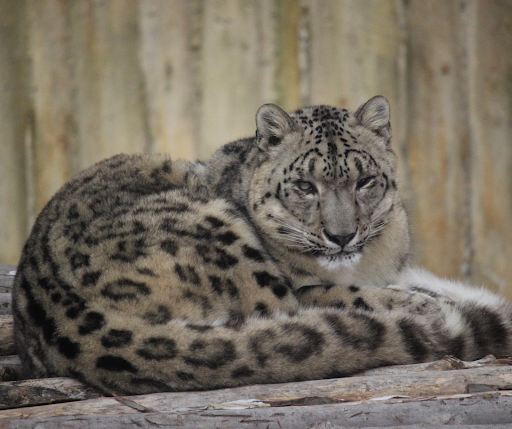
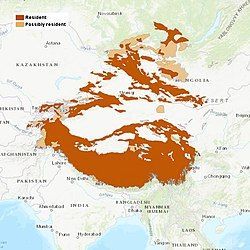
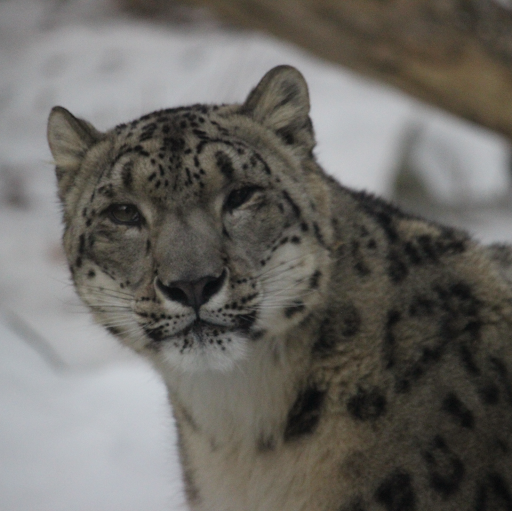
There are an estimated 2,700 to 3,400 adult Snow leopards left in the wild. There are several difficulties to overcome in making reliable estimates of Snow leopard population size, chiefly this species’ secretive nature, generally low density, sparse distribution, and remote terrain contributing to generally low detection rates. Snow leopard numbers are reportedly stable or modestly increasing in some areas, but are likely to be declining in others. Recent localized extinctions may have occurred in some areas.
The main ongoing threats to Snow leopards fall into three broad areas: Competition with livestock, habitat degradation, and declines in prey; depredation by Snow leopards on livestock and retaliatory killing; and illegal trade in furs, bones, and other body parts. Newer threats have been identified since 2003, including: climate change, mining, large scale infrastructure, and barriers such as roads or fenced railway lines.
Very significant investments in conservation have been made. These include: establishment of new protected areas within the Snow leopard range, anti-poaching measures, training and capacity-building, initiatives to reduce conflict with herders (like strengthening livestock corrals, vaccination, handicrafts and alternative livelihoods, and grazing set-asides), community engagement programs, illegalization and confiscation of firearms across China, and education programmes to raise awareness of the Snow leopard and its habitat.
Conservation initiatives that blend conservation science with traditional knowledge - as well as reduce Snow leopard-related conflicts - improve household incomes for people dependent upon livestock. Highlighting the cultural and ecological importance of Snow leopards is also most likely to be embraced by local people who represent the effective and cost-efficient stewards for this big cat’s remote mountain landscapes.
Legal conservation efforts include particular conservation actions taken by organizations which make government policy to protect all species on earth. The International Union for Conservation of Nature (IUCN) Red List Status is a critical indicator of the health of the world’s biodiversity. Snow leopards are listed as “Vulnerable,” which means they are considered to be at high risk of unnatural (human-caused) extinction without further human intervention. The Convention on International Trade in Endangered Species of Wild Fauna and Flora (CITES) lists the Snow leopard as Appendix I; this means they are the most endangered among CITES-listed animals and plants. The US Endangered Species Act of 1973 recognizes Snow leopards as in danger of extinction and thus allows for US funding for international conservation efforts.