Shetland Sheep
Ovis aries

Species Specific Information
Range
Cosmopolitan (Domestic species found worldwide)
Habitat
Agricultural, terrestrial, temperate, tropical
Predators
Canines, humans
Diet
Herbivore (folivore)
Professional Care- Timothy hay
Life Expectancy
Professional Care- 8 - 15 years
Physical Characteristics:
Weight: 75 - 125 lbs (35 - 55 kg)
Size: Unknown; these sheep range heavily in size
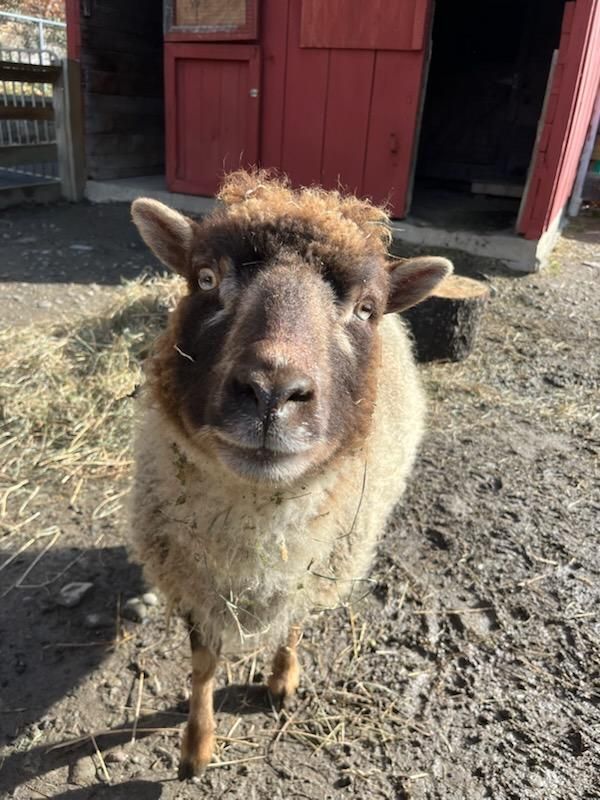
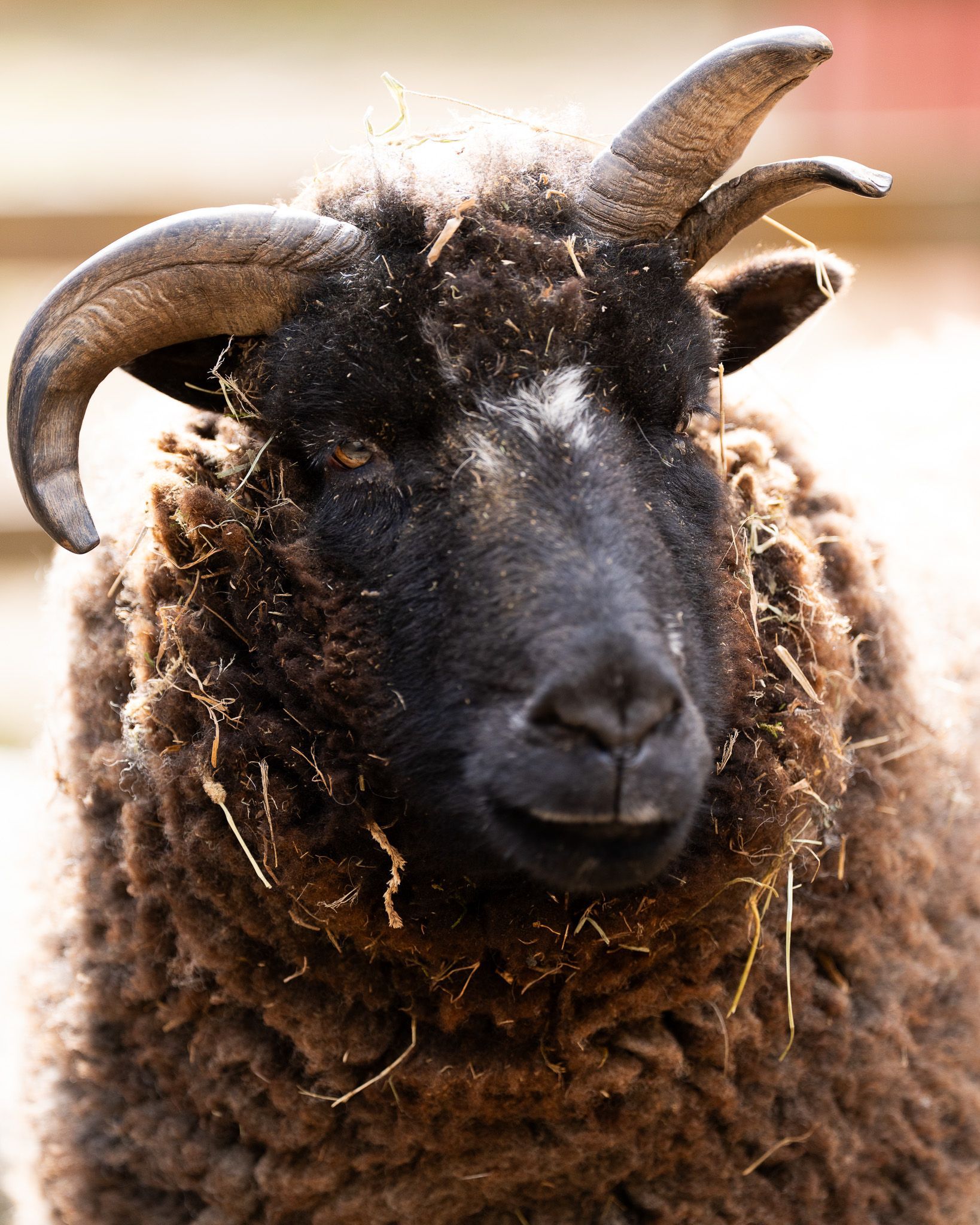
Distinguishing Characteristics: The Shetland is one of the smallest British breeds. The ewes are usually polled (hornless) and the rams are usually horned, although horned ewes and polled rams do occur occasionally. They are small-bodied animals, with some wool on their faces, noses or legs, but not in excess like other breeds. The legs are medium length and finely-boned. They have small, erect ears. A distinguishing feature of Shetland sheep is the short, fluke-shaped tail, which is broad at the base, tapers to a point, and is covered in hair, not wool.
Adaptations & Fun Facts:
The Shetland breed likely descended from ancient Scandinavian sheep. Historically, only a few Shetland sheep were exported, and it was not until recently that large populations were established on the British mainland and in other countries.
The Shetland breed is especially prized for its wool, which is fine, soft, and strong. Fleeces average 2 to 4 pounds (1 - 2 kg) and vary in crimp from wavy to straight. Eleven colors and thirty color patterns are recognized in the Shetland breed. This diversity is a great asset both to the breed and to the fiber artisans who enjoy using its fleeces.
Today they are considered a heritage breed. This means that although they are small and relatively slow-growing, they maintain natural hardiness, thriftiness, easy lambing, adaptability, and longevity. Shetlands survived for centuries under harsh conditions and on a meager diet, although they do very well under less rigorous conditions.
Shetlands are unusual in that some can still naturally shed their wool, though not all. The process of removing the fleeces as they shed is called rooing in the Shetland Isles.

Check out other animals at the zoo!
-
African Penguin
Learn More -
African Spurred Tortoise
Learn More -
Alpine Goat
Learn More -
American Red Wolf
Learn More -
Amur Leopard
Learn More -
Arctic Fox
Learn More -
Bantam Chicken
Learn More -
Barred Owl
Learn More -
Binturong
Learn More -
Black Howler Monkey
Learn More -
Black Vulture
Learn More -
Black-and-white Ruffed Lemur
Learn More